| |
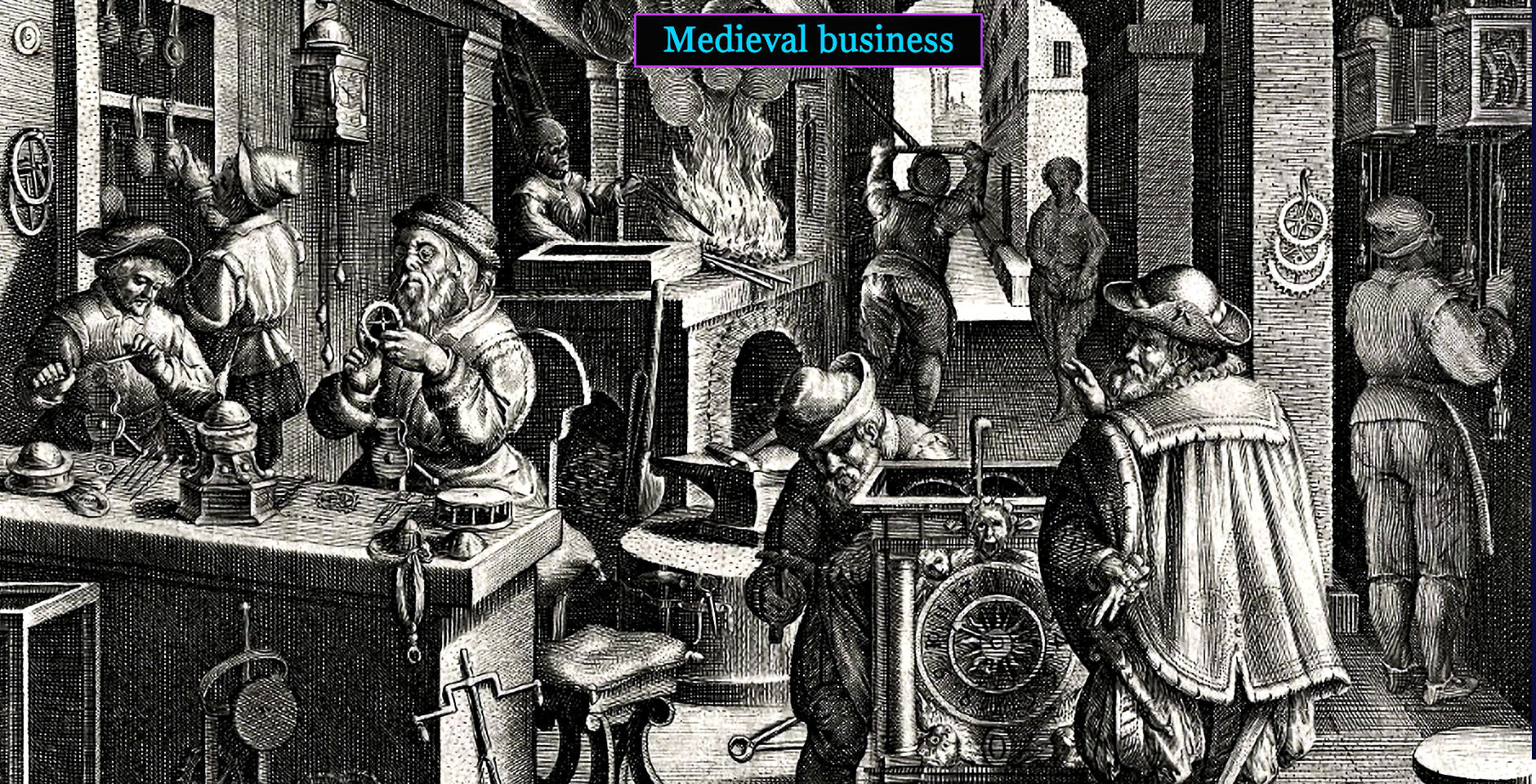
Clockmaker's Shop This view shows some of the equipment needed to make a clock, including a metal-working forge (at rear). Clocks are large, powered by slowly-falling weights. They need an array of hand-cut gears to drive the different hands of the clock at the correct speed. |
| |||||||||
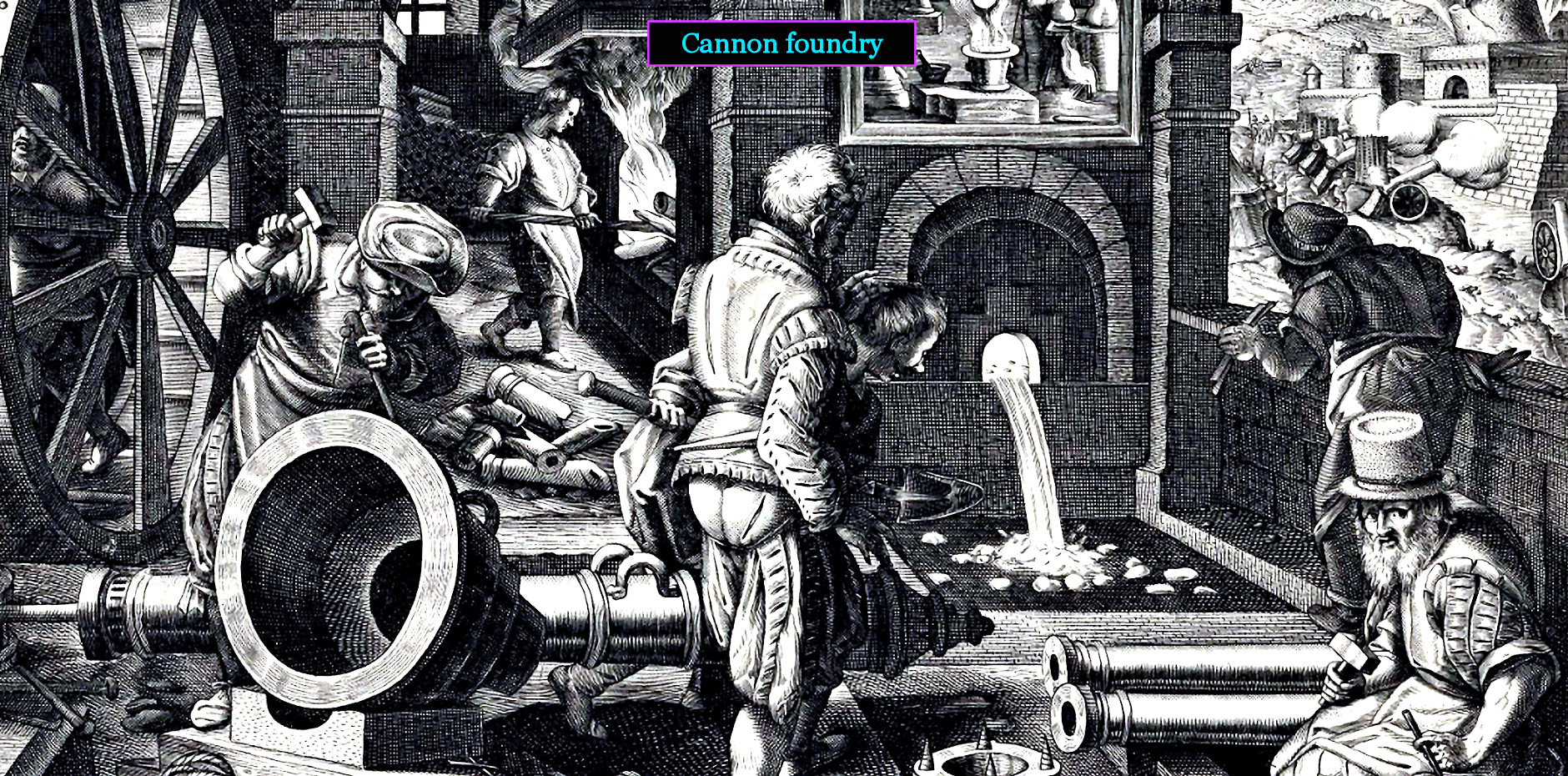
Larger Castings Metal-casting technology has advanced to the point where very large cannon barrels are possible, but there are still many failed attempts. Note the furnace at the rear of the view, where pieces of broken barrels are being re-melted, to try again. | |||||||||
| |||||||||
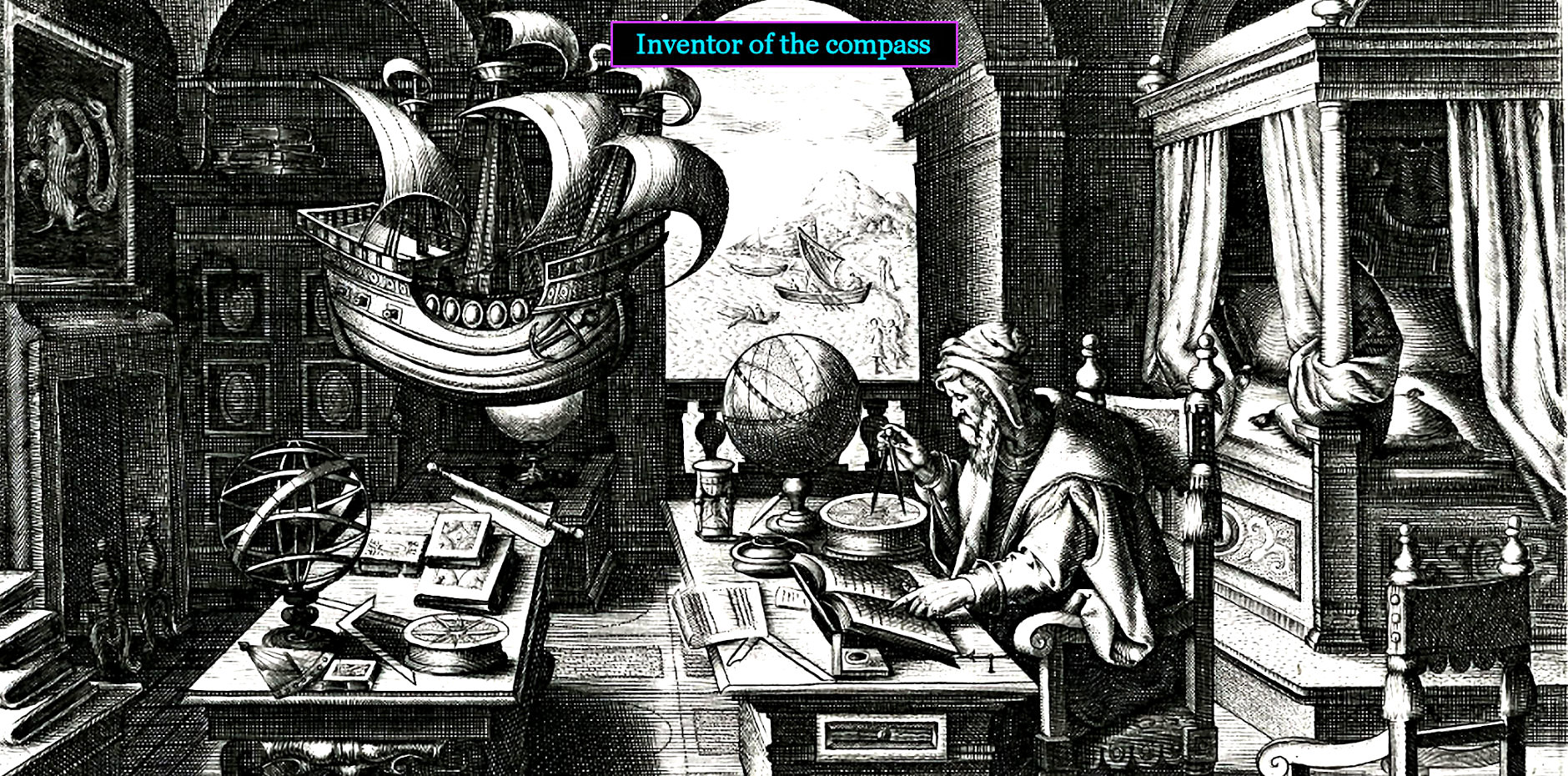
Solitary Endeavor In this somewhat fanciful depiction, the inventor is shown conducting calculations right in his own bedchamber. | |||||||||
| |||||||||
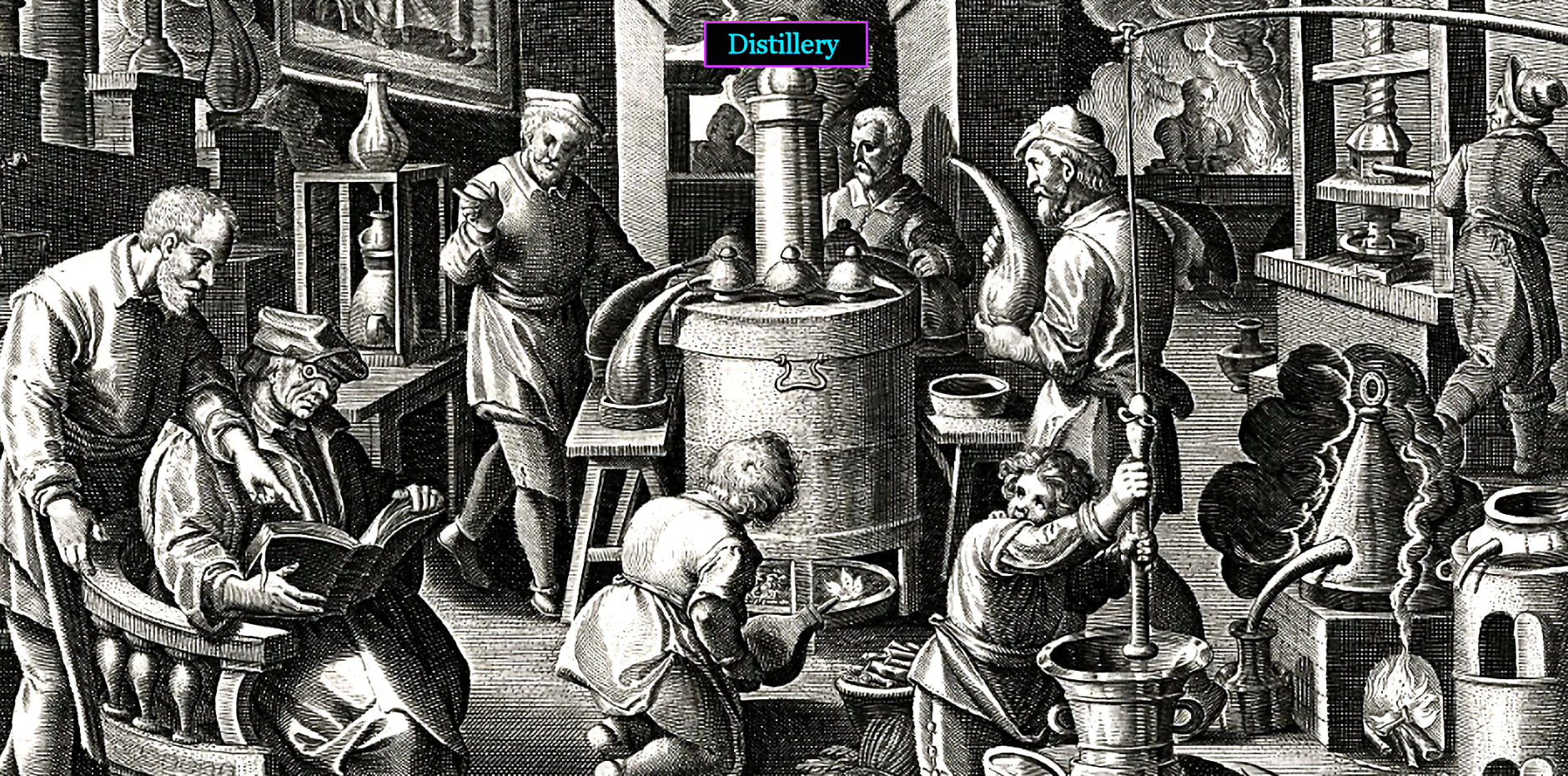
Busy Operation This view shows a shop full of furnaces, and unusually-shaped vessels used to collect the liquids being distilled. Open fires are visible in three different locations. The older gentleman seated in the chair is wearing reading glasses (lower left). | |||||||||
| |||||||||
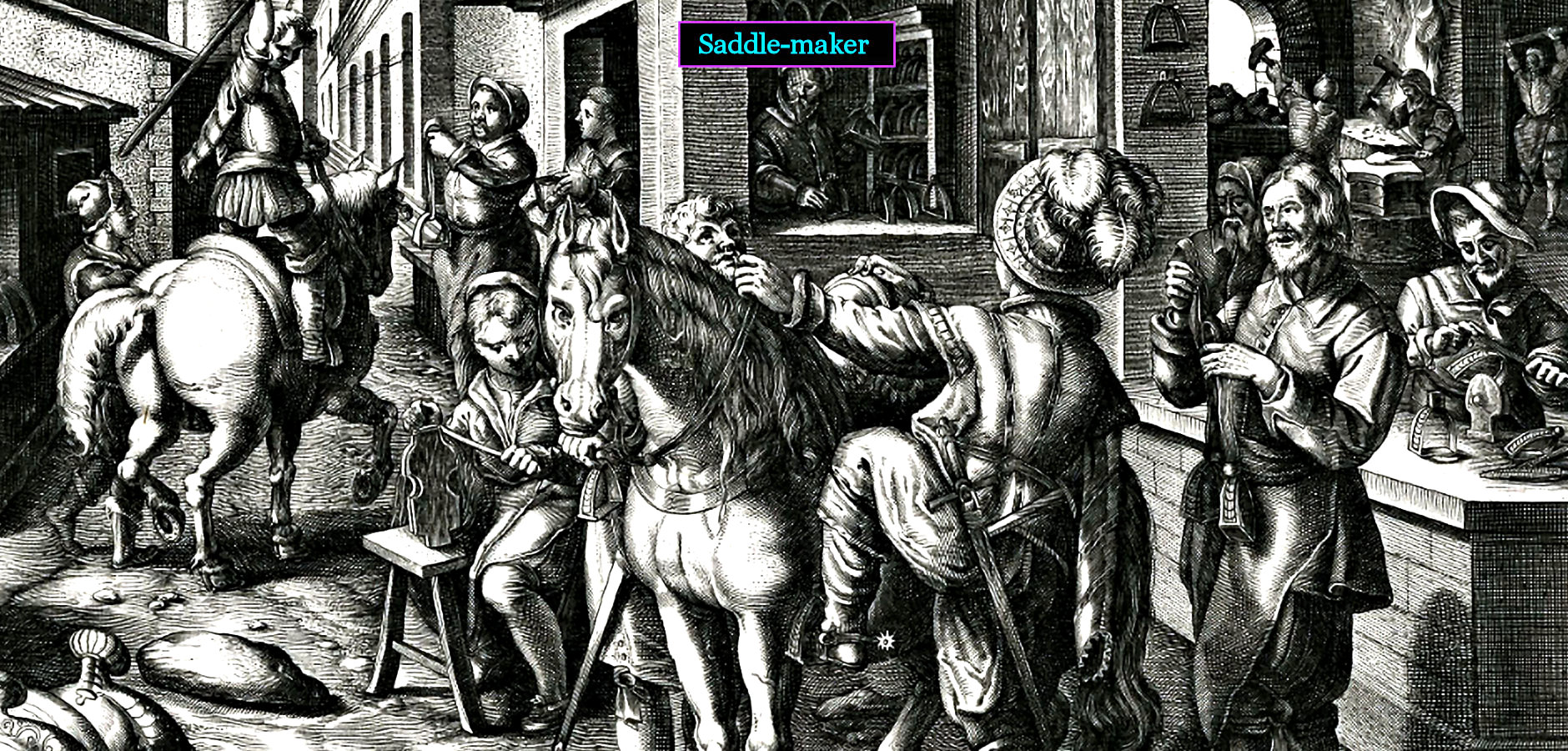
Open Storefront The focus of this view is the horse, and saddle. Less visible are the many operations needed to form the saddle, which is the most complex form of leatherwork. Note that a metal forge is one of the tools required. | |||||||||
| |||||||||
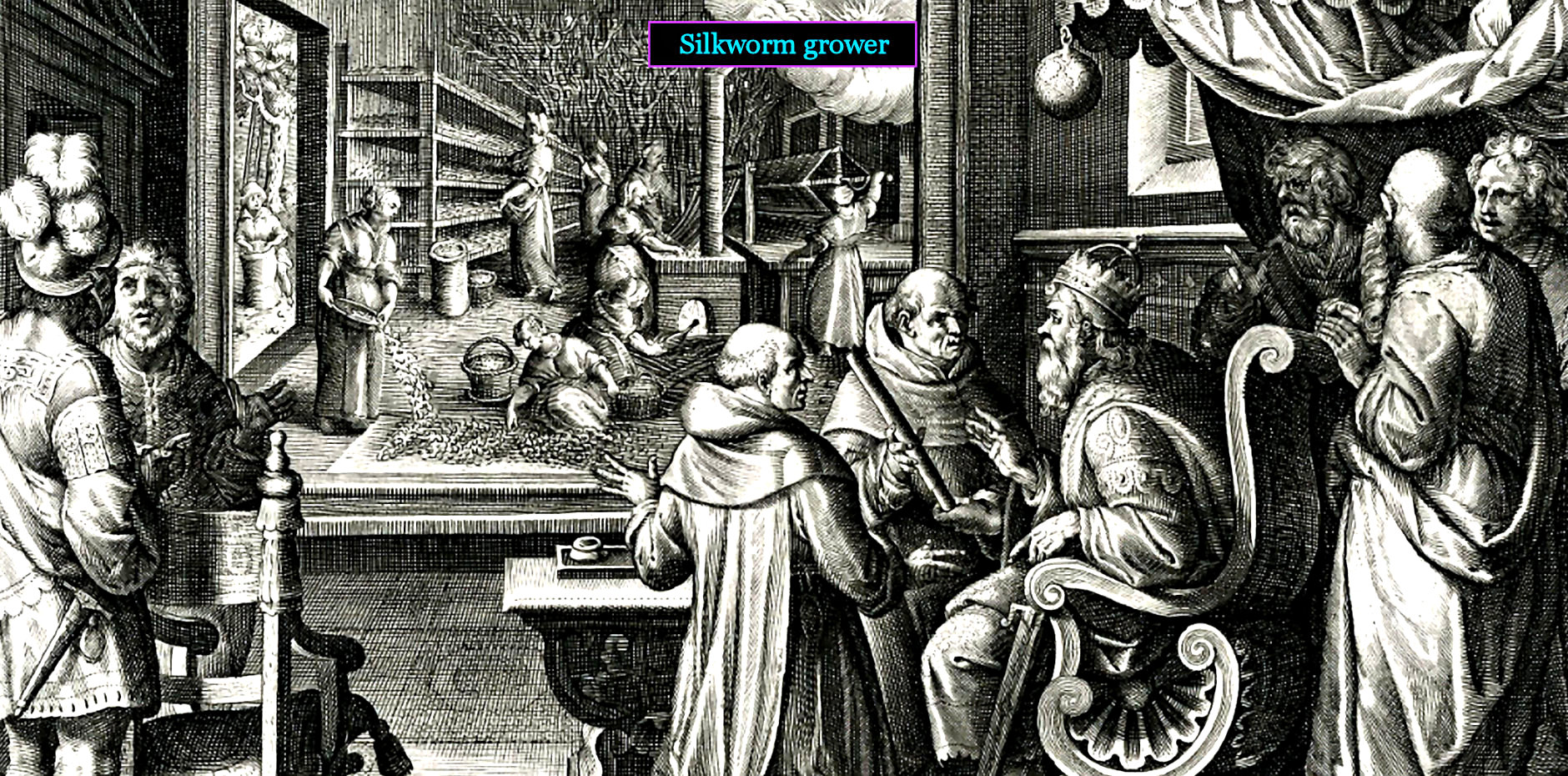
Chinese Technology By this time, enterprising medieval businessmen have finally learned how to raise silkworms, valued for the silk they spin into their cocoons. This process was first developed in China, where the technical secrets were jealously concealed for centuries. | |||||||||