Clash of EmpiresCrusaders and Mongols 1200 AD Norsemen and cathedrals 1300-1400 AD Kings and Sultans 1400-1600 Ottoman invasion 1600 Renaissance 1600-1700 Global rivalry |
| ||||||||||||||||
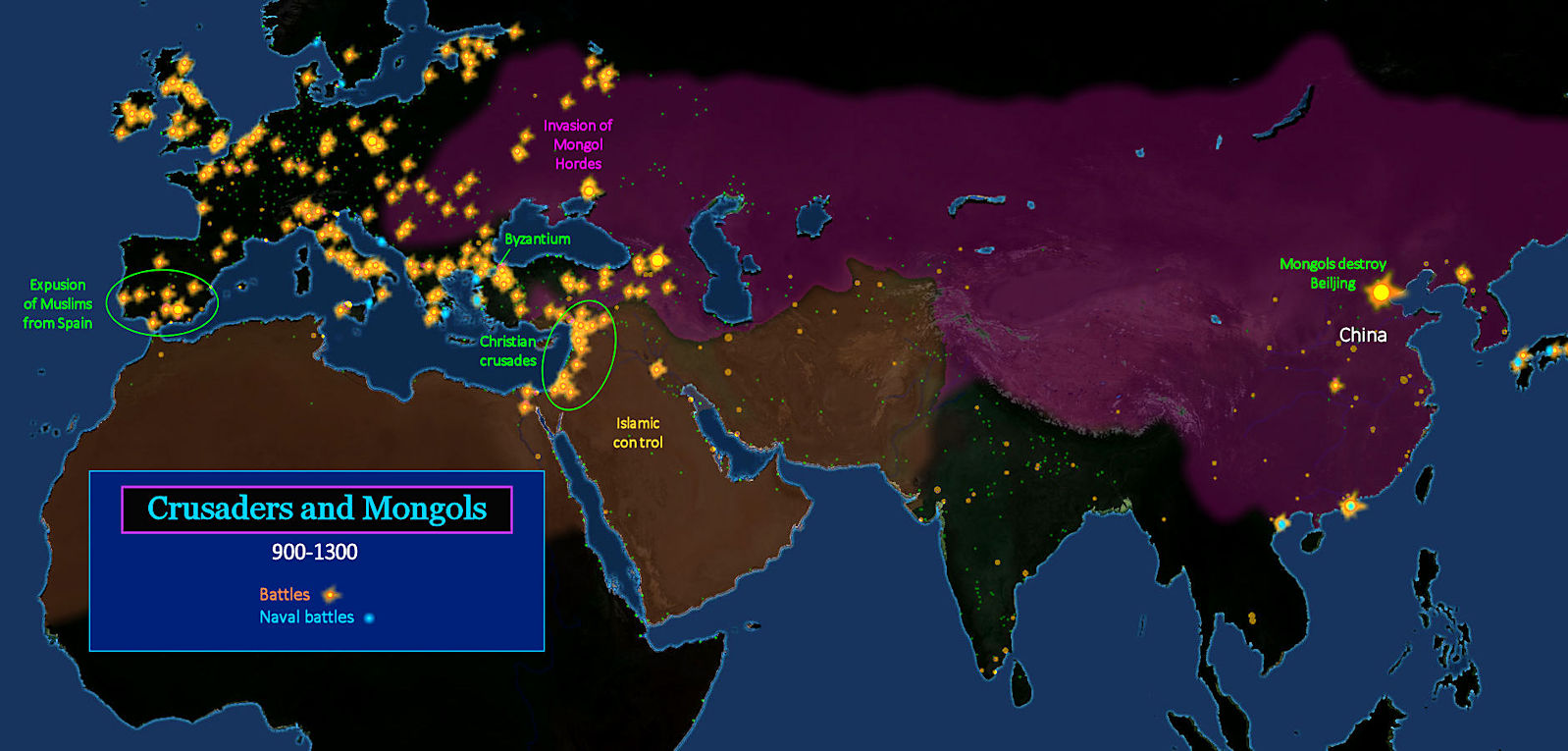
| |||||||||
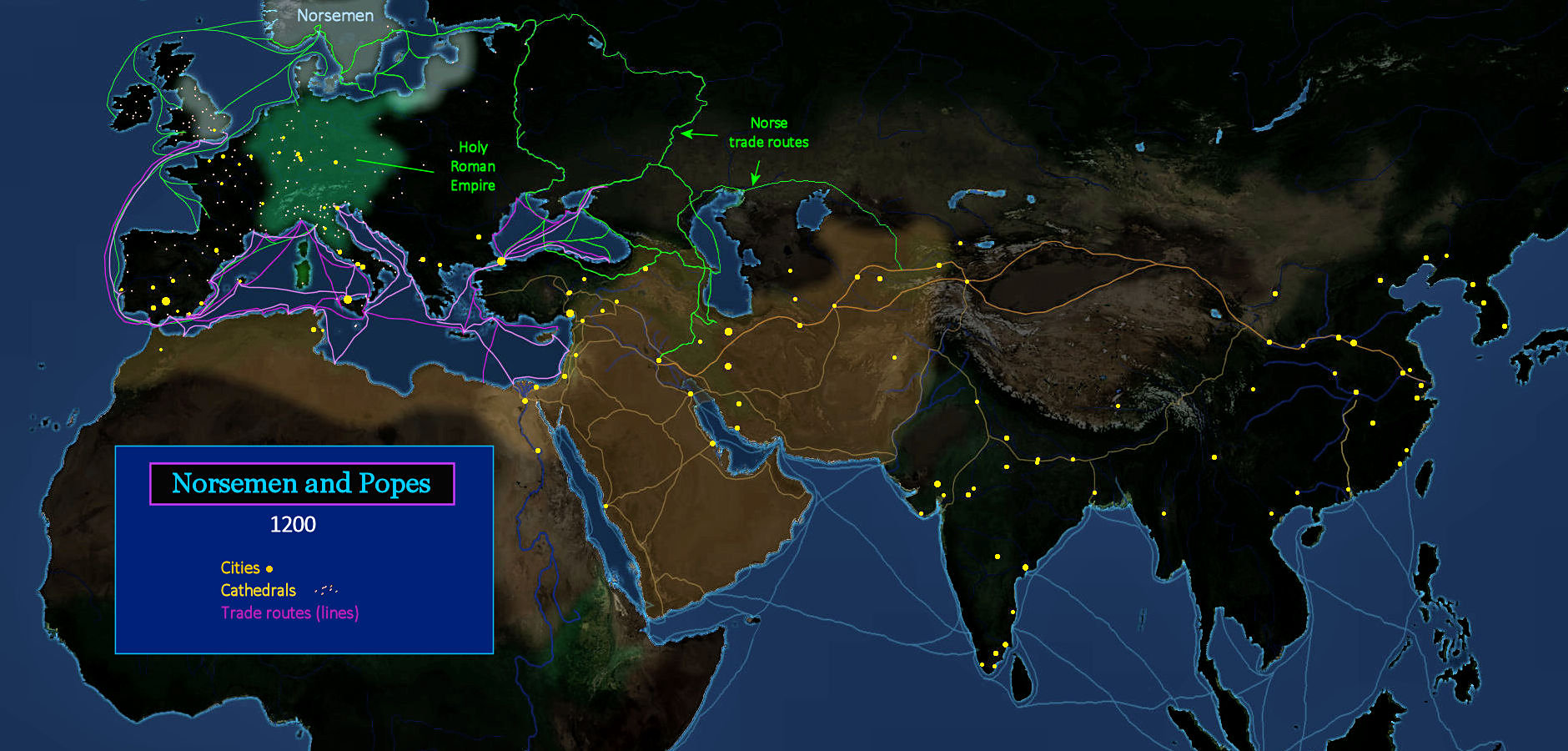
Powerful Popes As the Mongols melt away, the Catholic Church emerges as the new power in Europe. Regions that will later become Germany and Italy are folded into a newly-formed Holy Roman Empire (dark GREEN highlight). This is headed by a series of Popes in Rome, who sometimes combine business with religion. In the process, they finance an array of magnificent cathedrals all over Europe (tiny YELLOW dots). Commerce in the north is controlled by Norse traders, and further south by Italian merchants. | |||||||||
| |||||||||
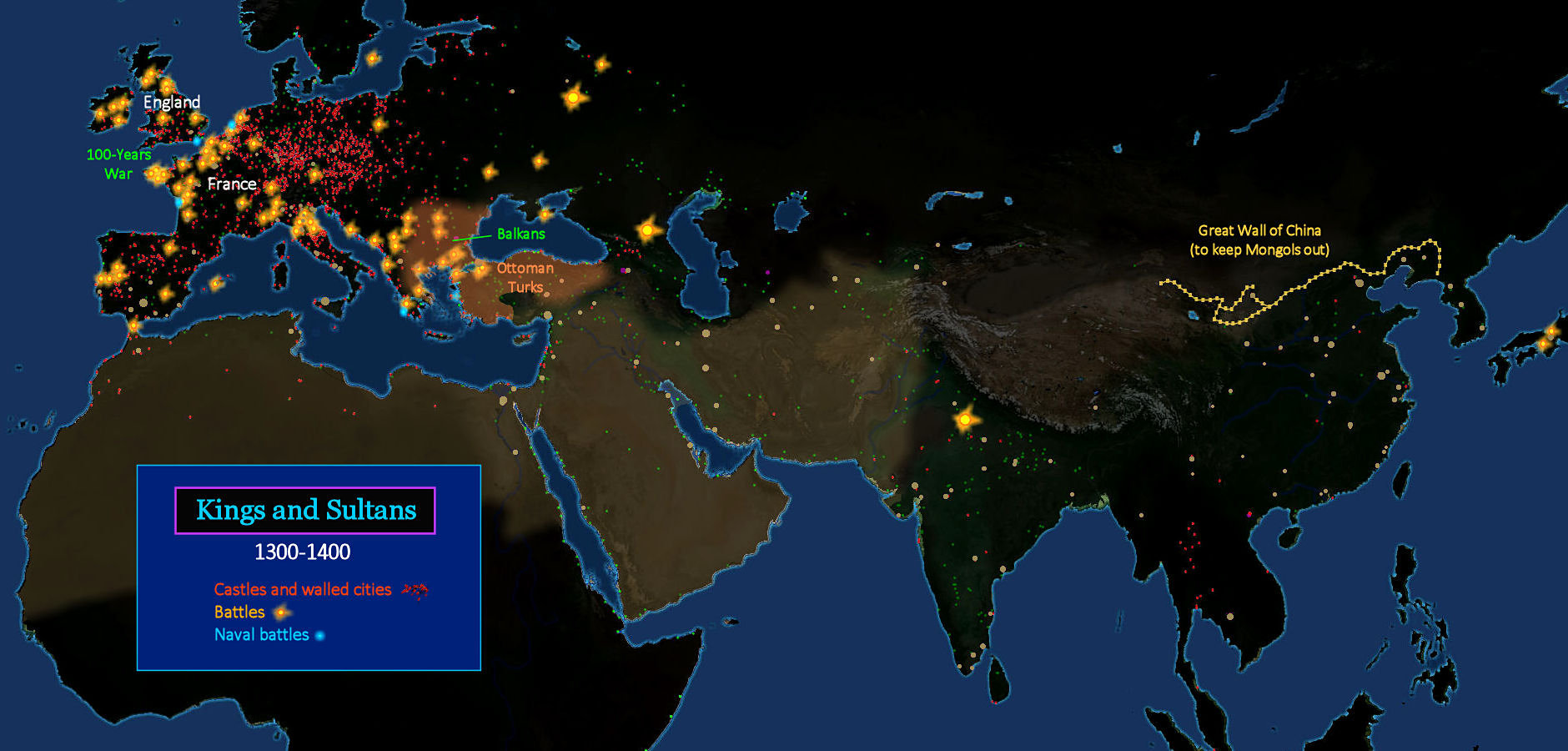
Hiding Behind Walls By the time the Holy Roman Empire gradually extricates itself from the control of Popes, there are castles and fortified city walls all over Europe (RED dots). This is after a long period of chaotic infighting among minor kings and princes, with alliances continuously shifting among regional players. England and France emerge as the first true nations, with prosperous capitals and permanent armies. They fight each other constantly. Meanwhile, Ottoman Turks continue to push up from the Balkans. | |||||||||
| |||||||||
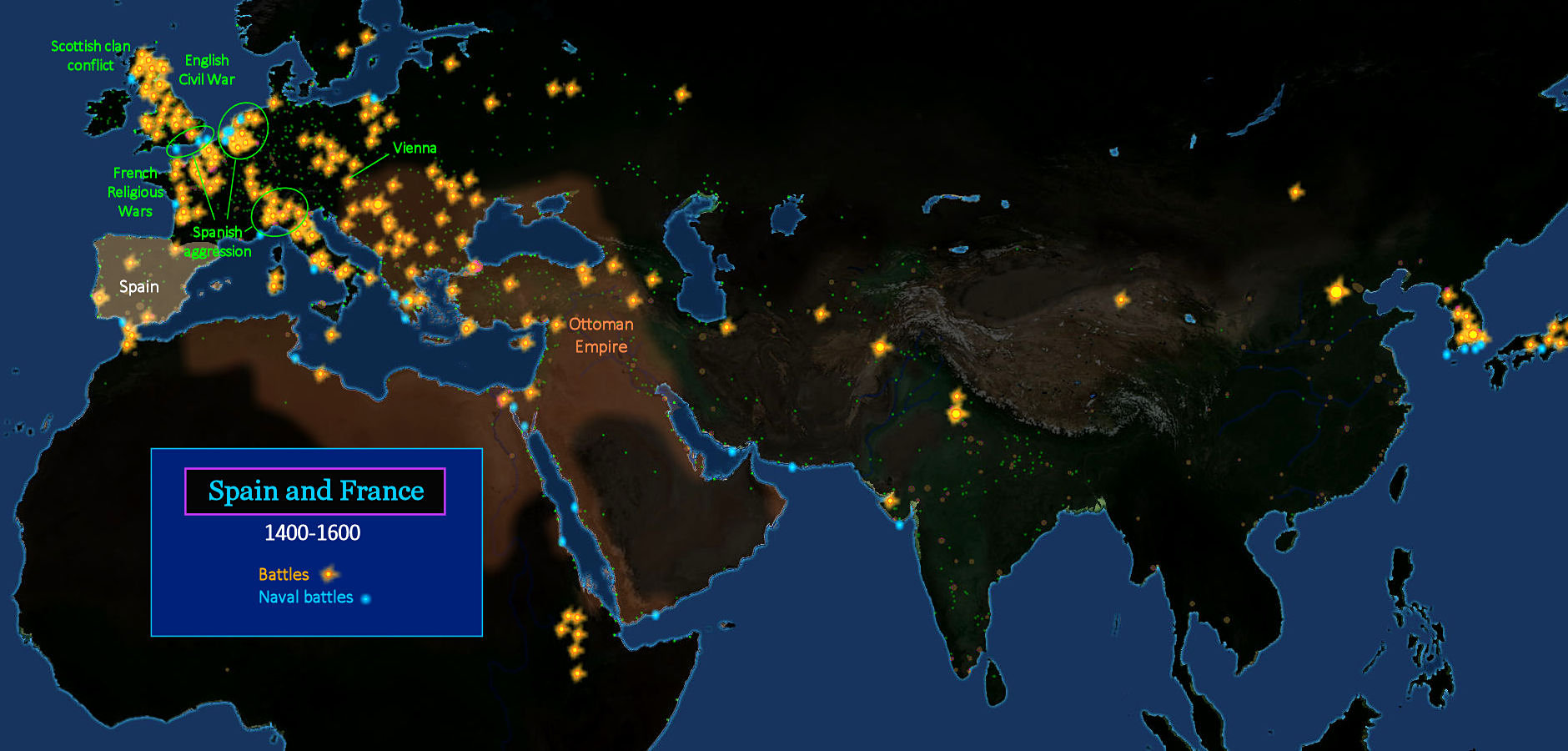
Conflict Intensifies The Spanish discovery of gold and silver in Mexico and Peru brings dramatic changes. With great convoys of treasure galleons arriving twice yearly, the Spanish are eager to project their new power, especially in Holland. The ill-fated Spanish Armada is part of a failed attempt to invade England. Religious wars consume France, whose Catholic king has an on-again, off-again alliance with Catholic Spain. The Ottomans now have field artillery, and make it all the way to Vienna before finally being stopped. | |||||||||
| |||||||||
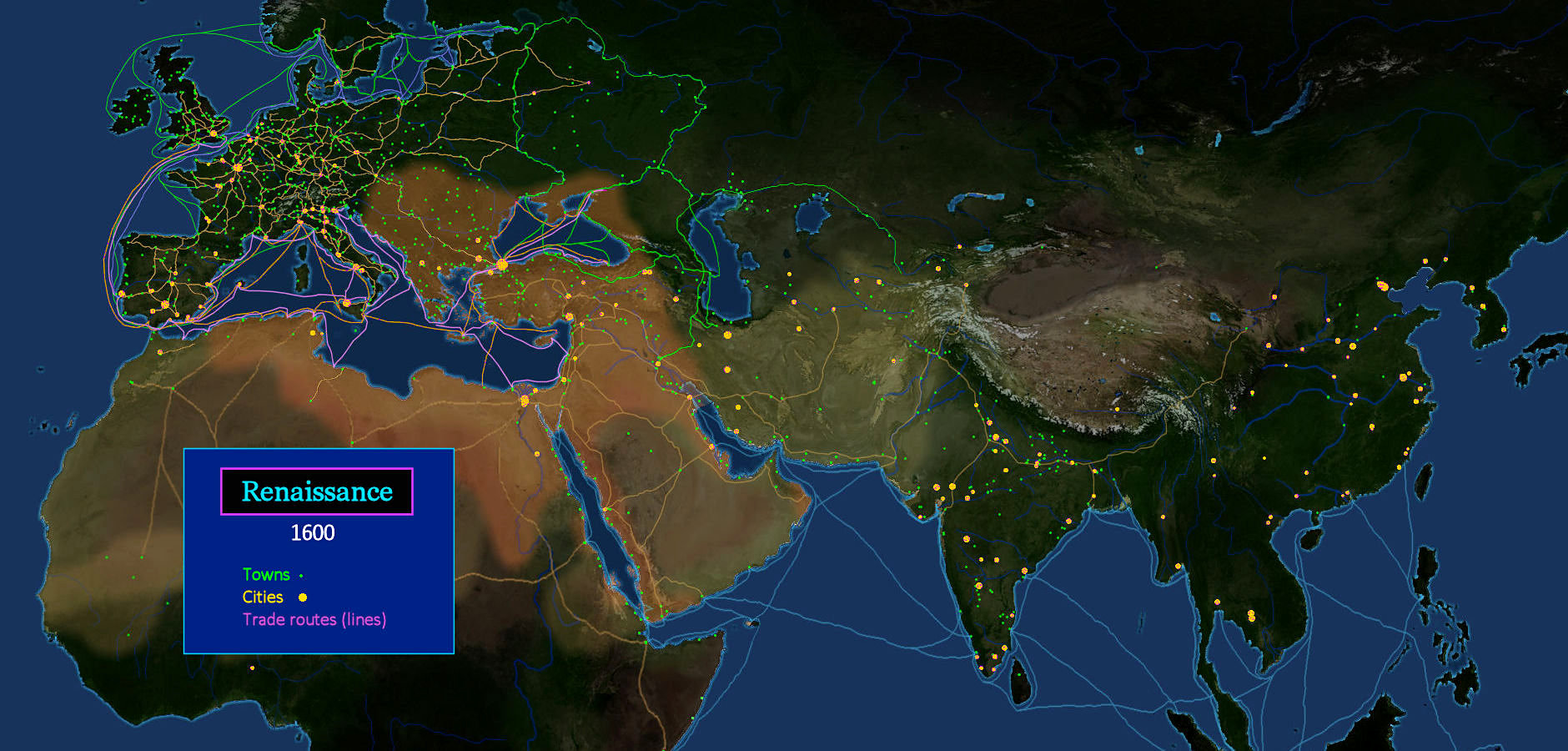
Thriving Commerce As the High Renaissance reaches full bloom, business and trade have recovered completely from the depths of the post-Roman decline. The old Roman roads are back in use, and vessels are again servicing all the major coastal ports. Medieval villages have grown into small cities all over Europe. Thankfully, the Ottoman threat has finally begun to recede, after their decisive defeat at Vienna. Lying just ahead is a new age of competition for world dominance, this time stretching across oceans. | |||||||||
| |||||||||
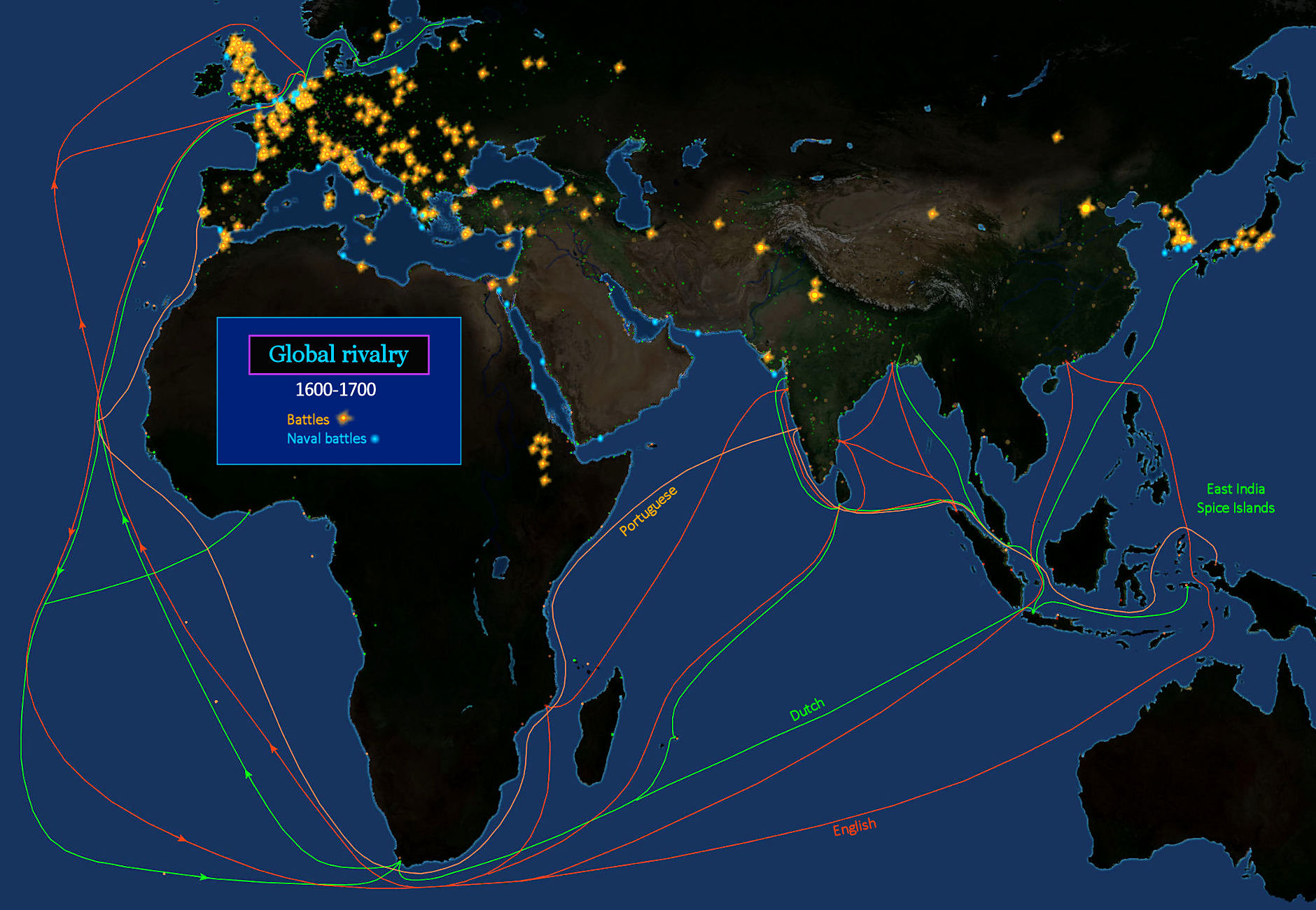
Eve of a New Era Warfare continues to rage in Europe, while ocean-going vessels are now capable of spanning the globe. England neglects her struggling American colonies to focus on achieving dominance in global trade over the Dutch, who are strong new-comers. Both countries now have trading connections with East India (modern Indonesia), cashing in on direct access to the lucrative trade in silks and spices. With the contest heating up, there are three separate Anglo-Dutch naval wars, and another still to come. | |||||||||