| |
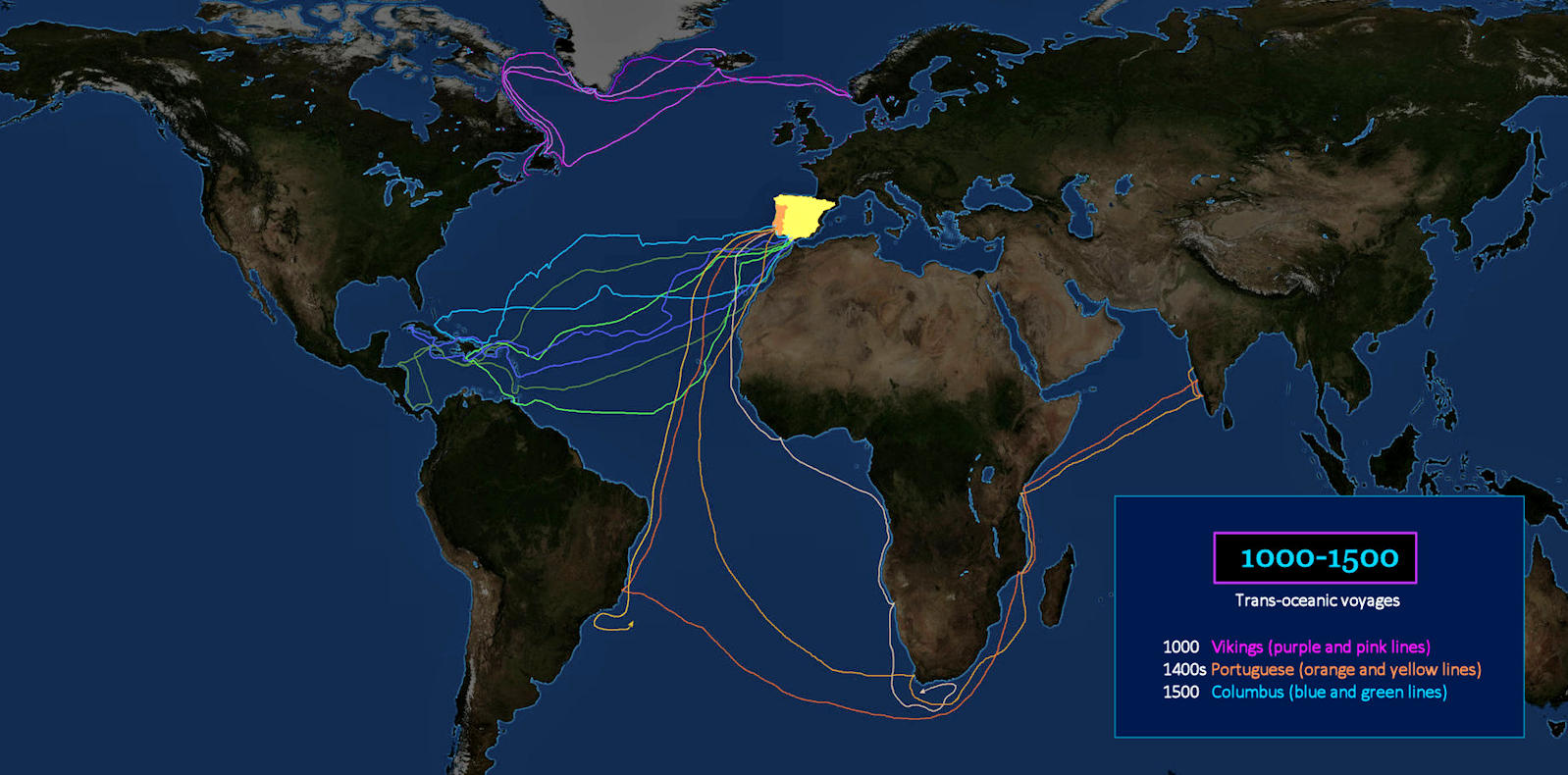
Crossing Oceans The Vikings are the first to sail across the Atlantic, around 1000 AD. During the 1400s, the Portuguese explore routes to India and the East India spice islands, by sailing south around Africa, and then continuing east. The 1500s are kicked off by Columbus, who makes four attempts to reach the far east by sailing west, rather than east. He returns with tantalizing tales of gold, and the great Age of Exploration is off and running. |
| |||||||||
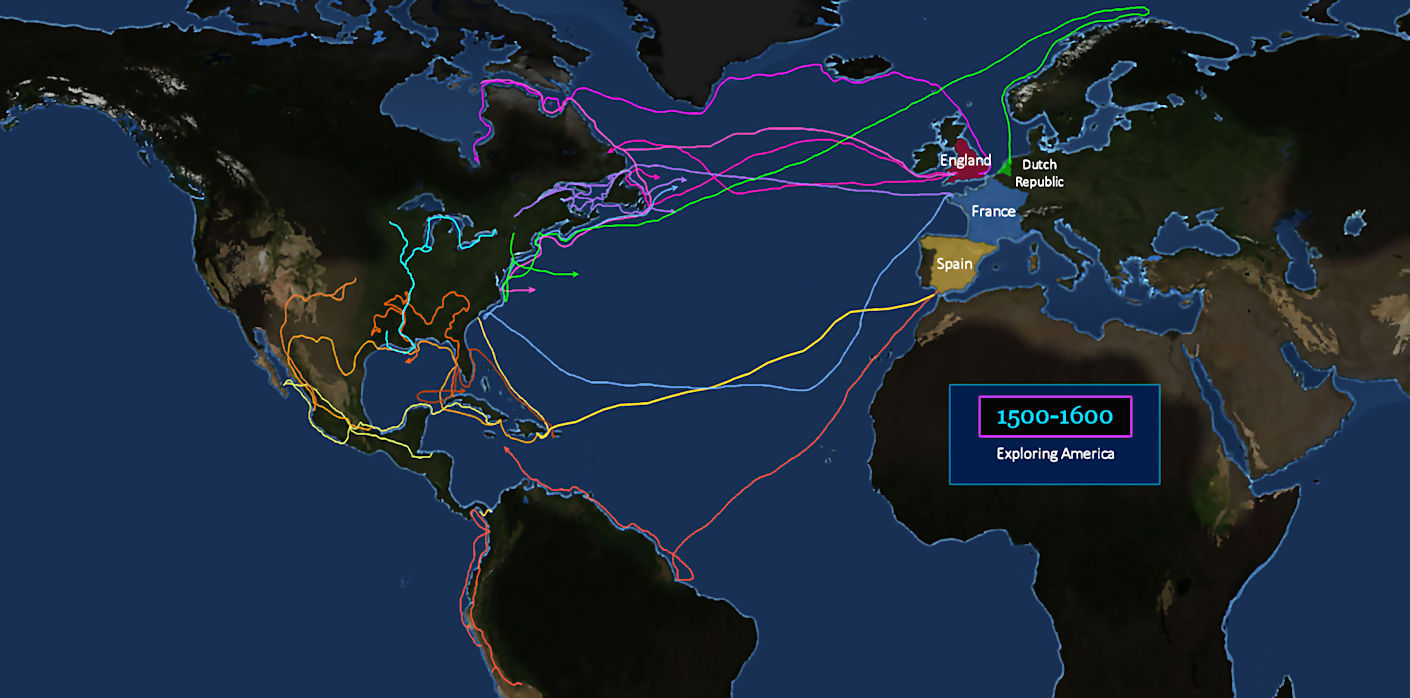
Exploration Frenzy Explorers from the major European powers are eager to find sea routes to the far east, which seems to contain all the world's high-profit goods. The Portuguese continue to explore the eastern route, around the tip of Africa, but all the rest follow the lead set by Columbus, and sail west. The American continent turns out to be a huge obstacle, however, blocking all attempts to sail further west. Spanish explorers find abundant gold and silver in Mexico and Peru, but others find little else of value. | |||||||||
| |||||||||
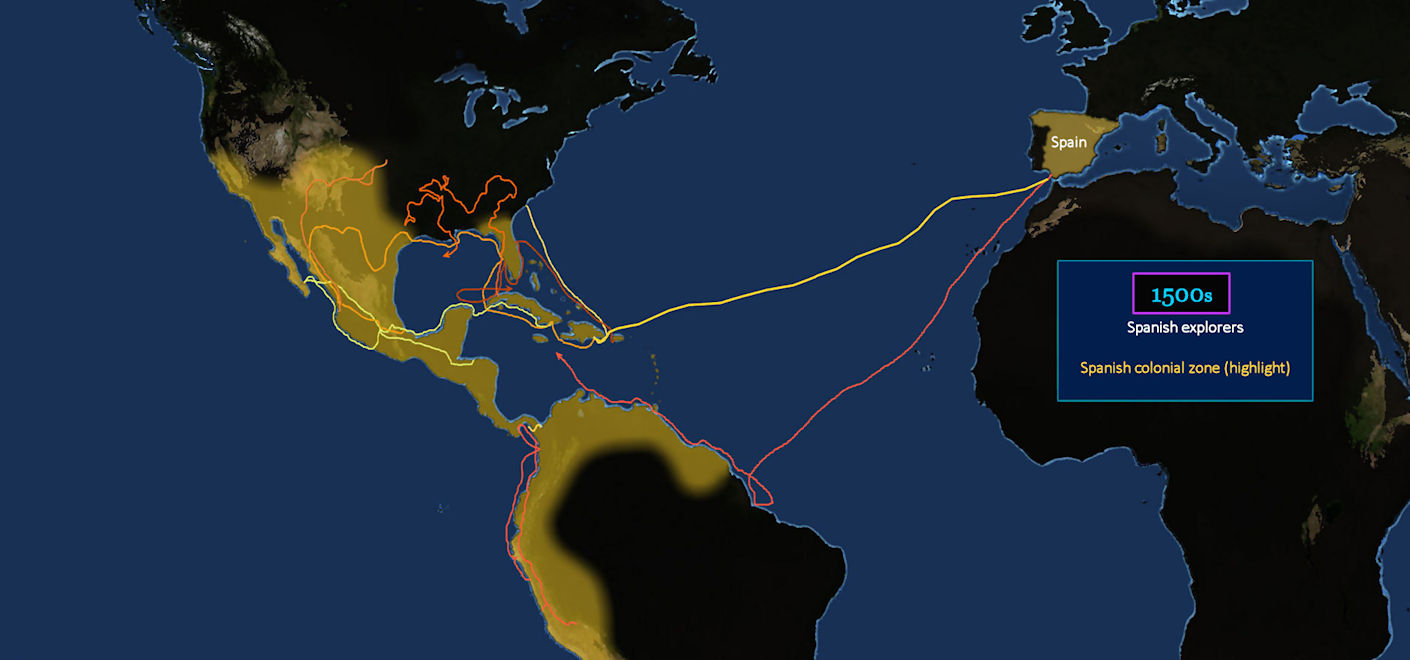
Spaniards Get Lucky The Spanish are the first to mount sustained exploration. Following the example of Columbus, they focus their attention on Mexico, sailing considerably south of the routes chosen by other European expeditions, and are rewarded with an astonishing abundance of gold and silver. They follow up with military-style expeditions of conquest, brutally enslaving the indigenous people to work their mines. Great fortunes are sent back to Spain every year, for 150 years. | |||||||||
| |||||||||
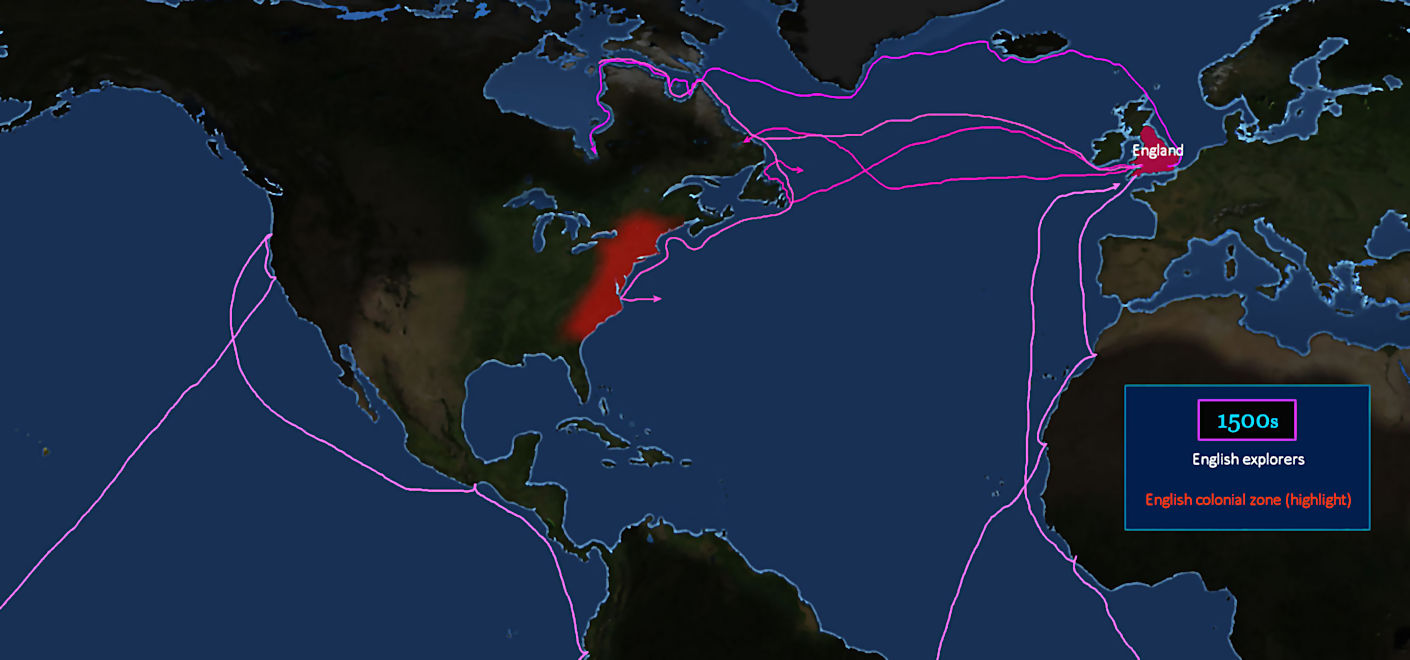
The English Find Little The English are less lucky, finding neither gold nor silver. They focus instead on trying to find a way through to China above Canada, but are blocked by ice. Finally, they settle for a strip of land along the East Coast, which offers mostly just timber and fish. | |||||||||
| |||||||||
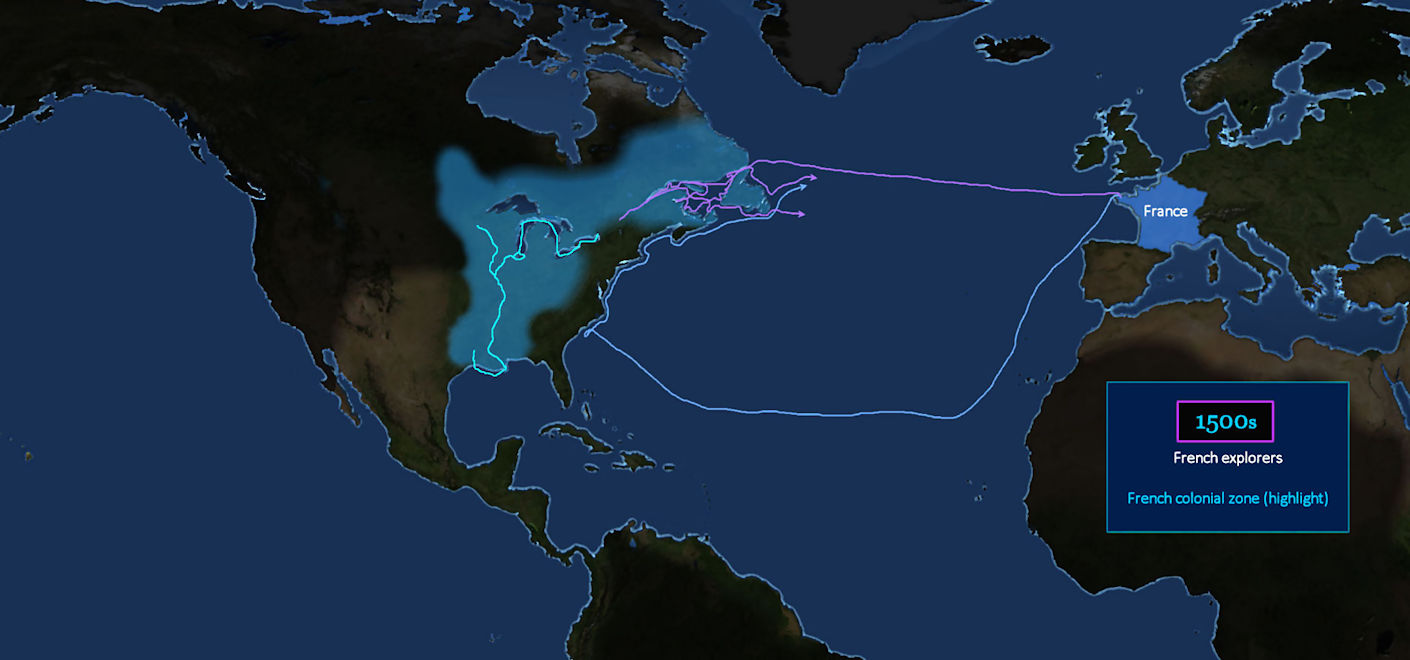
The French Find Beaver The French explore further north, up into Canada, but still find no gold or silver. They eventually manage to establish a healthy trade in beaver pelts, which are ideal for making inexpensive, weatherproof hats. Trappers travel inland by canoe. One French expedition travels the Mississippi River all the way down to the coast, establishing the site for New Orleans. | |||||||||
| |||||||||
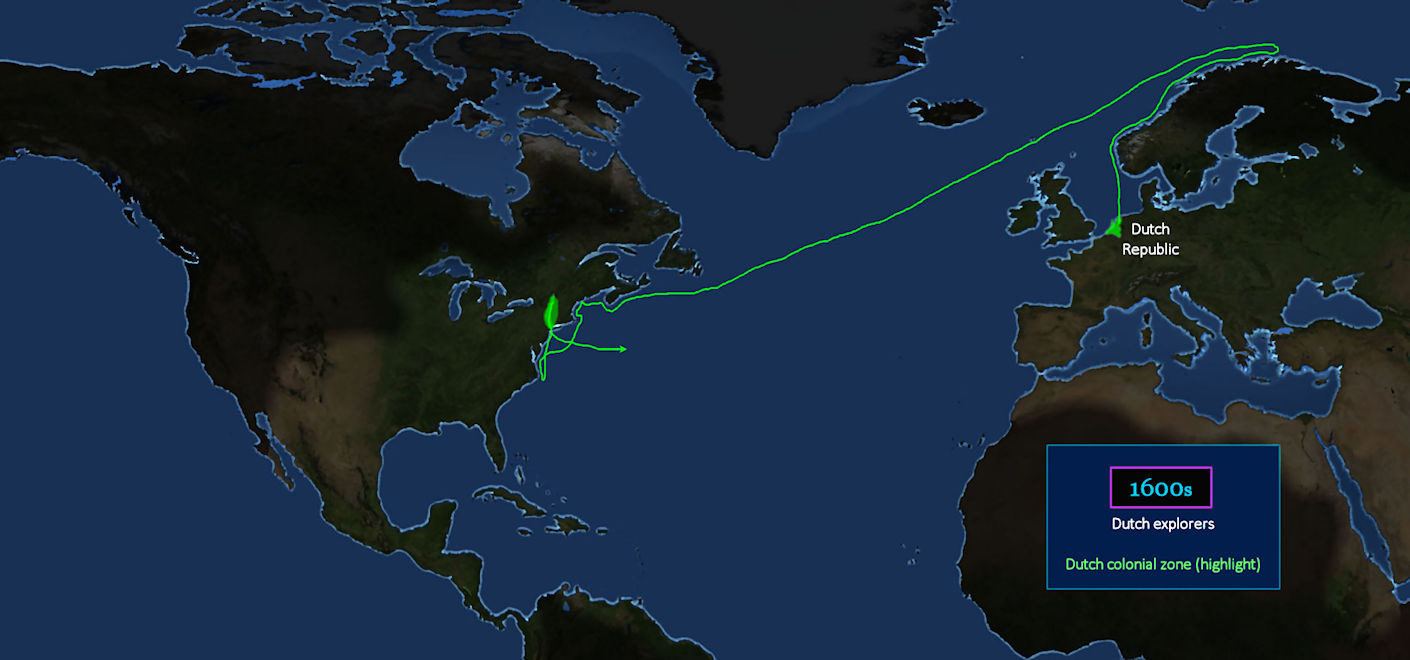
The Dutch Go Both Ways The Dutch sponsor just one exploration, heading first east, above Scandinavia, before giving up and turning back towards America. The voyage explores the Hudson River Valley, and claiming land where a trading post will soon be establish, at the site which will become New York City. Dutch settlers will colonize the Hudson Valley, but New York is soon lost to the English, who arrive with a small squadron to take possession. | |||||||||