Storm Clouds BrewingThis doesn't happen. Individual countries all have reasons why they can't make meaningful reductions in dependence upon fossil fuels. Oil consumption continues to rise, but so too does coal usage, which is far dirtier. Meanwhile, a slow-burning fuse is lit in the Ukraine, when Russia suddenly grabs part of the country, in violation of international law. This ignites a smoldering border war that will erupt into a full blaze a decade later. |
| ||||||||||||||||


| |||||||||
Take Your Meds Opioids are opium-related drugs developed to help patients dealing with chronic pain. The leading product is actually a time-release version of heroin, which is pushed on gullible doctors by an army of pretty young sales reps. The company claims that the likelihood of addiction is close to zero, but deaths from opioid overdose are now roughly equal to those caused by motor vehicles, and also to those caused by guns. | |||||||||
| |||||||||
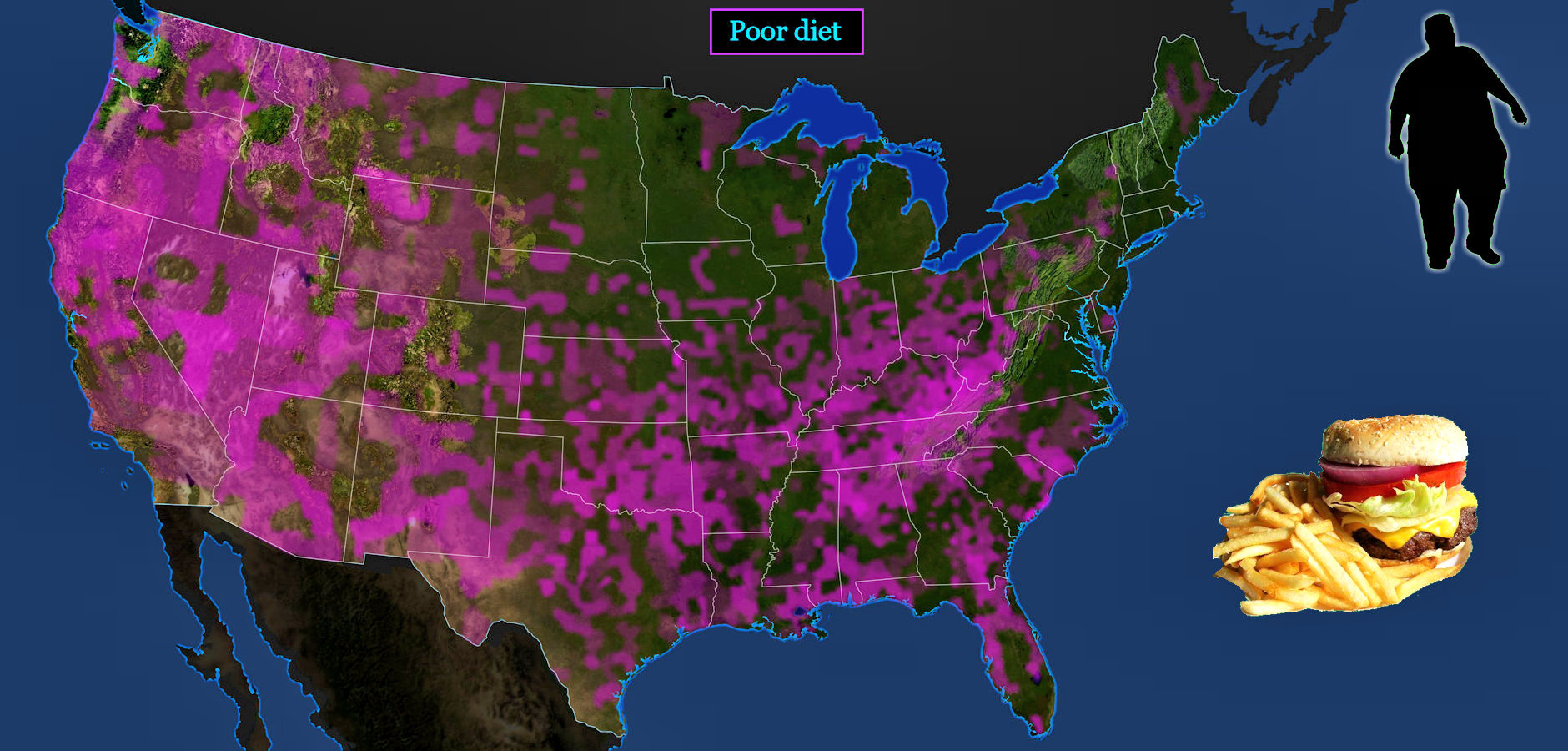
Super-size That? Meanwhile, America's raging obesity epidemic is affecting all age groups, including schoolchildren. This is resulting in a spike in diabetes, which is now the seventh-leading cause of death in America. Many blame the growing obesity problem on fast food and sweetened sodas. Diabetes rates are highest in North America, Europe and Central Asia, but far lower in the Middle East, Africa and South Asia. America now leads the world in diabetes, as a percentage of total population. | |||||||||