| |
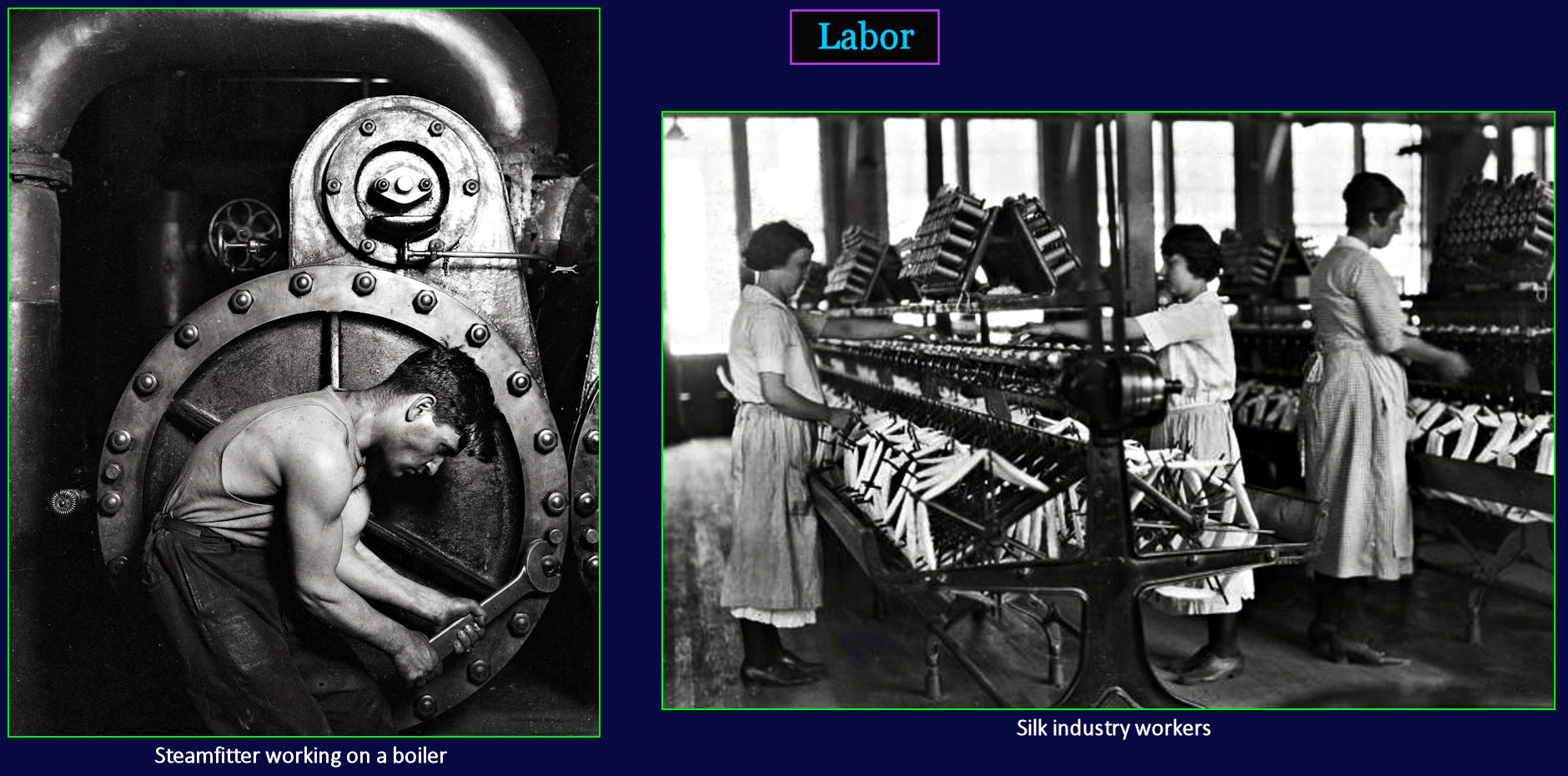
Wage Slaves Even today, American workers frequently complain of low wages. In the 1890s, the situation is made worse by the much longer working day, which frequently exceeds 10 hours. This is sometimes tolerable, as there isn't much to do at home anyway, after dark. In any case, wages are paid by the hour, so workers are at least getting something for the extra hours. But easily-replaced workers have no leverage with employers. The only way to fight back is to form a union, the first of which is formed in 1857, for public school employees. |
| |||||||||
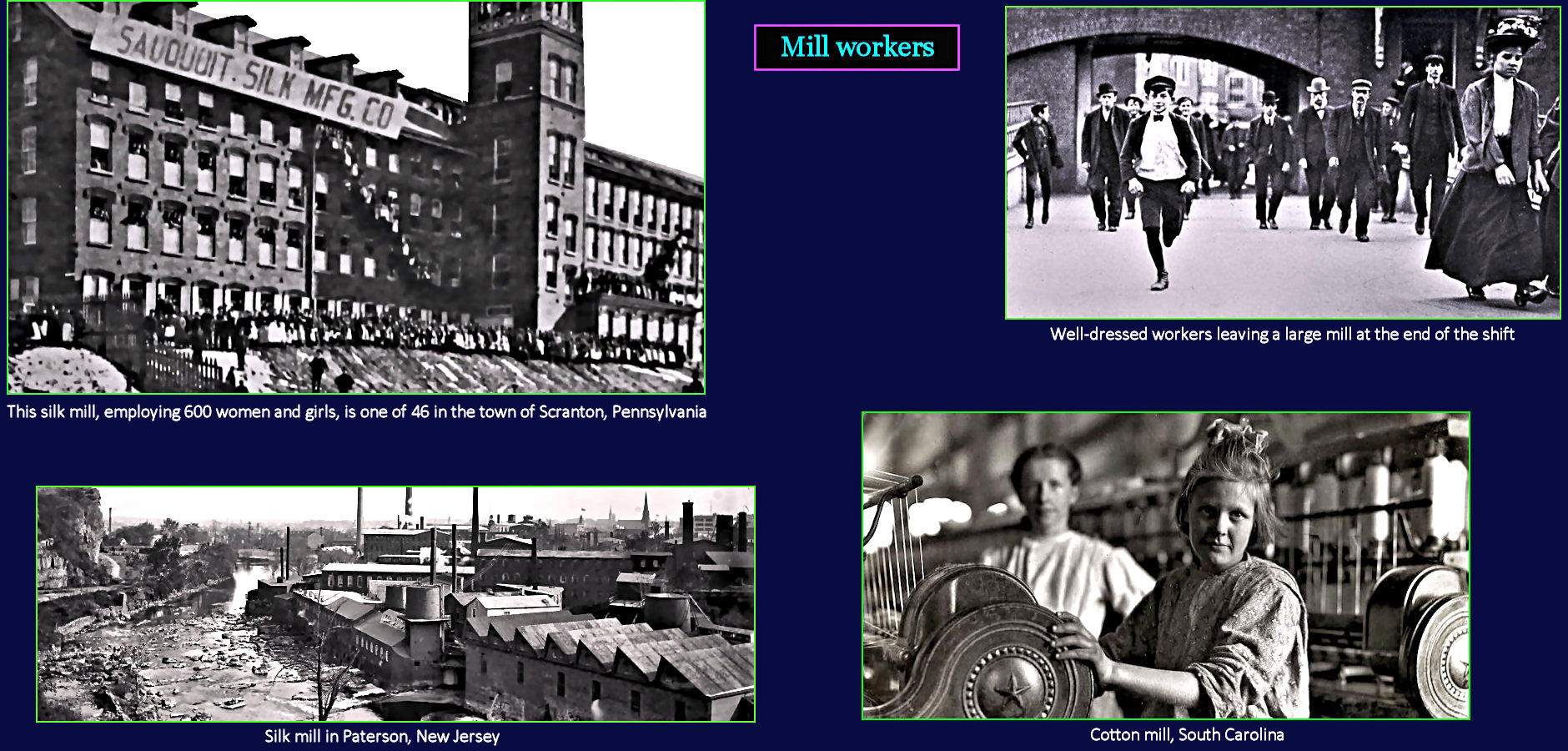
Where the Jobs Are By now, manufacturing jobs account for fully one-quarter of all jobs. Textile mills are the biggest employers, by far. Cotton and wool mills are roughly equal in number, while silk mills are becoming increasingly common. None have unions. | |||||||||
| |||||||||
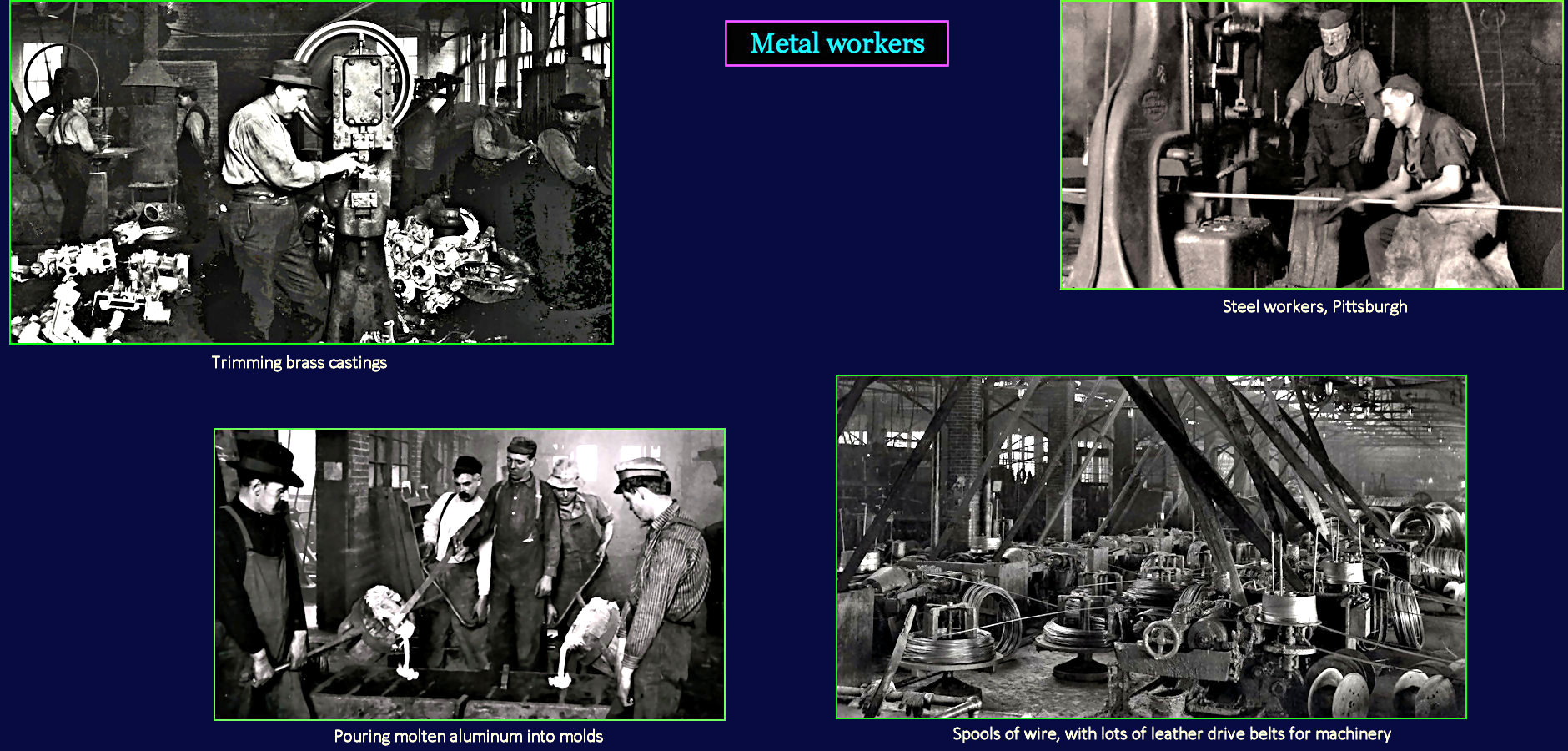
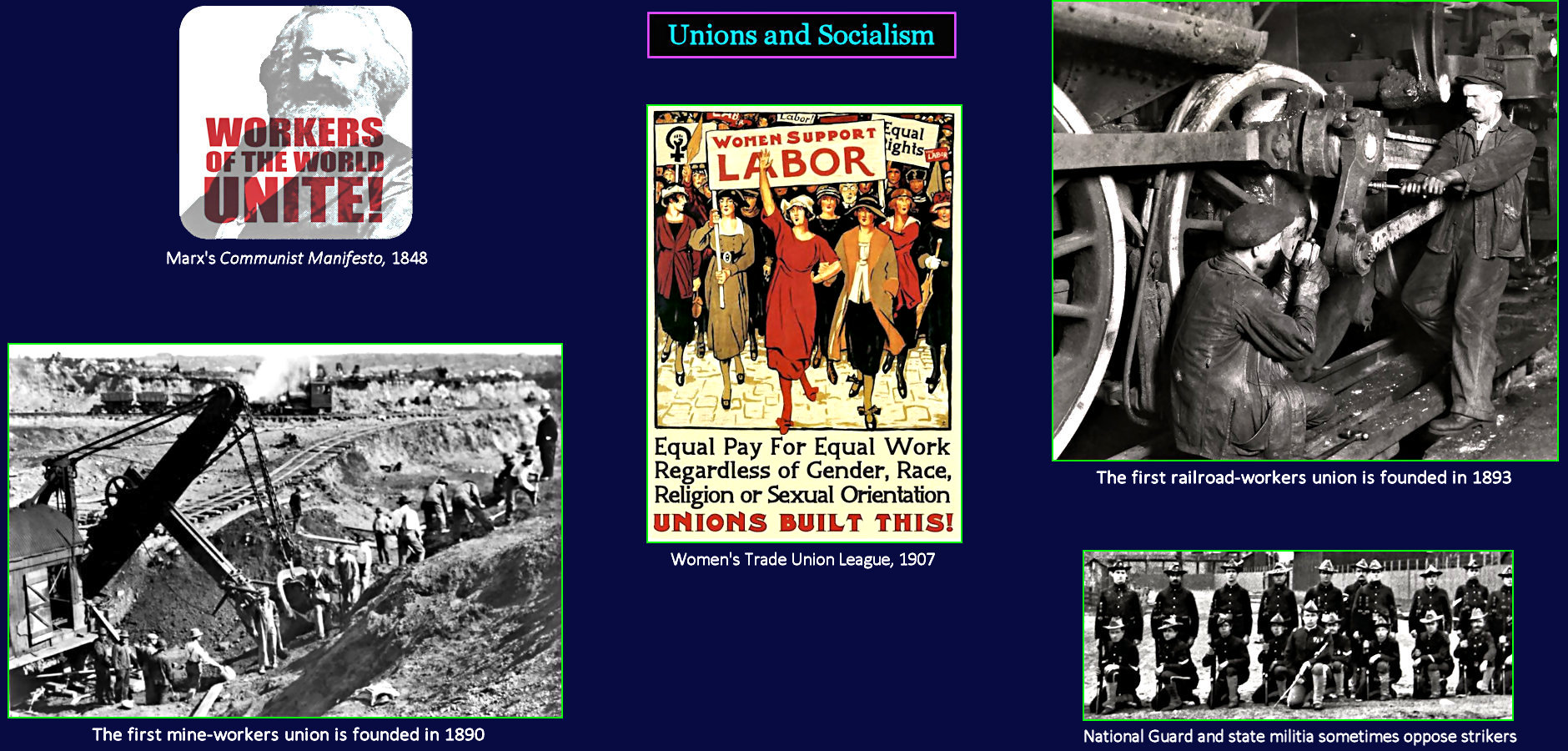
Dirty and Dangerous Iron and steel workers are among the first to have a union, founded in 1876. By 1900, the union has 14,000 members. The most important union action is the infamous Homestead Steel strike of 1892, which lasts five months and leaves 10 people dead. Union members are first locked out, and then attacked by armed security forces. The Pennsylvania National Guard is deployed to protect strike-breakers, who are brought in to replace striking steel workers. The strike fails. Two years later, the bloodies strike of all is waged against the railroads. For nine weeks, the union is able to paralyze rail traffic in much of the nation. The President calls out 12,000 army troops to crush the strike, and its leader is jailed. | |||||||||
| |||||||||
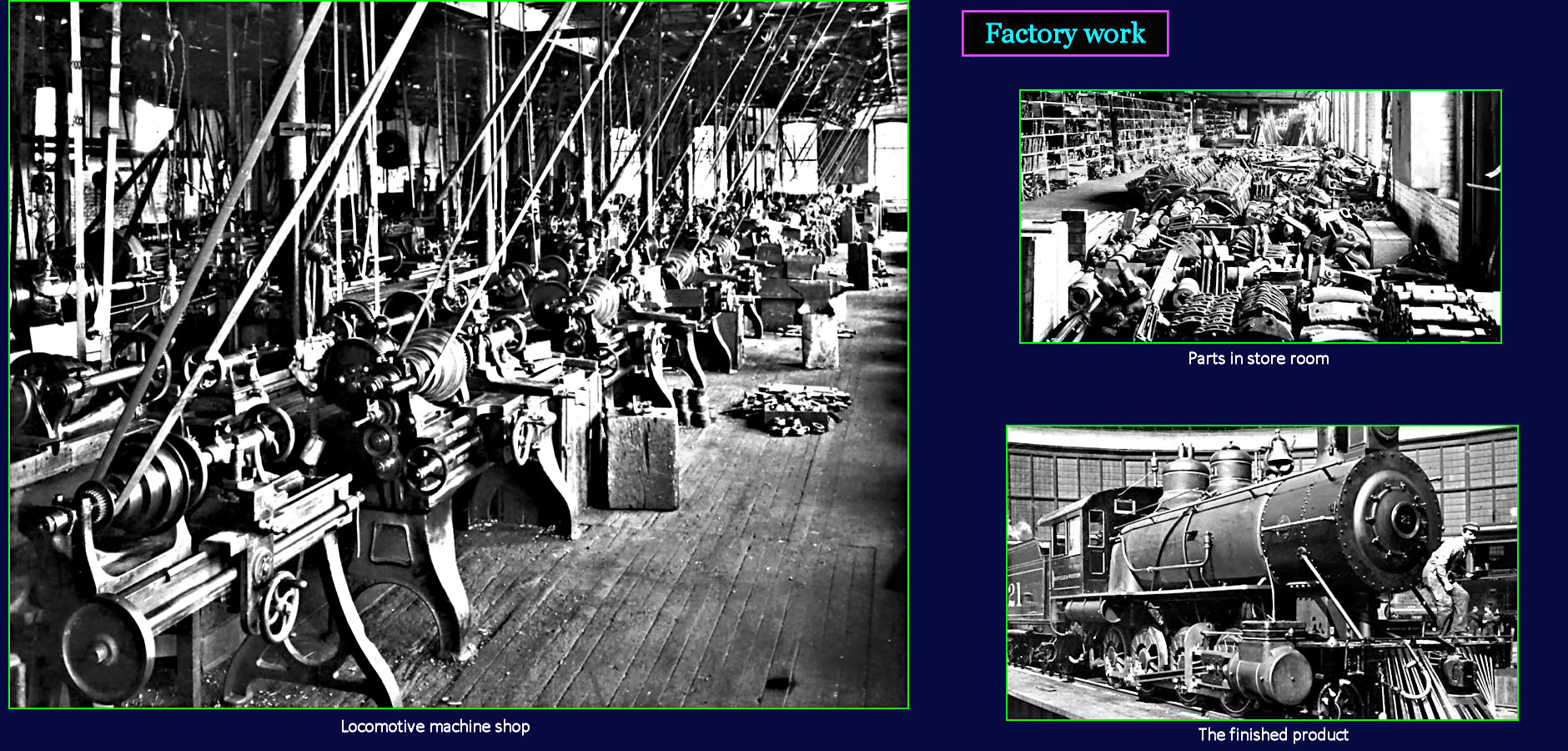
Making all the Parts Skilled workers enjoy better pay than most other factory workers. A machinist's union is established in 1888, but less than 10% of machinists are members. | |||||||||
| |||||||||
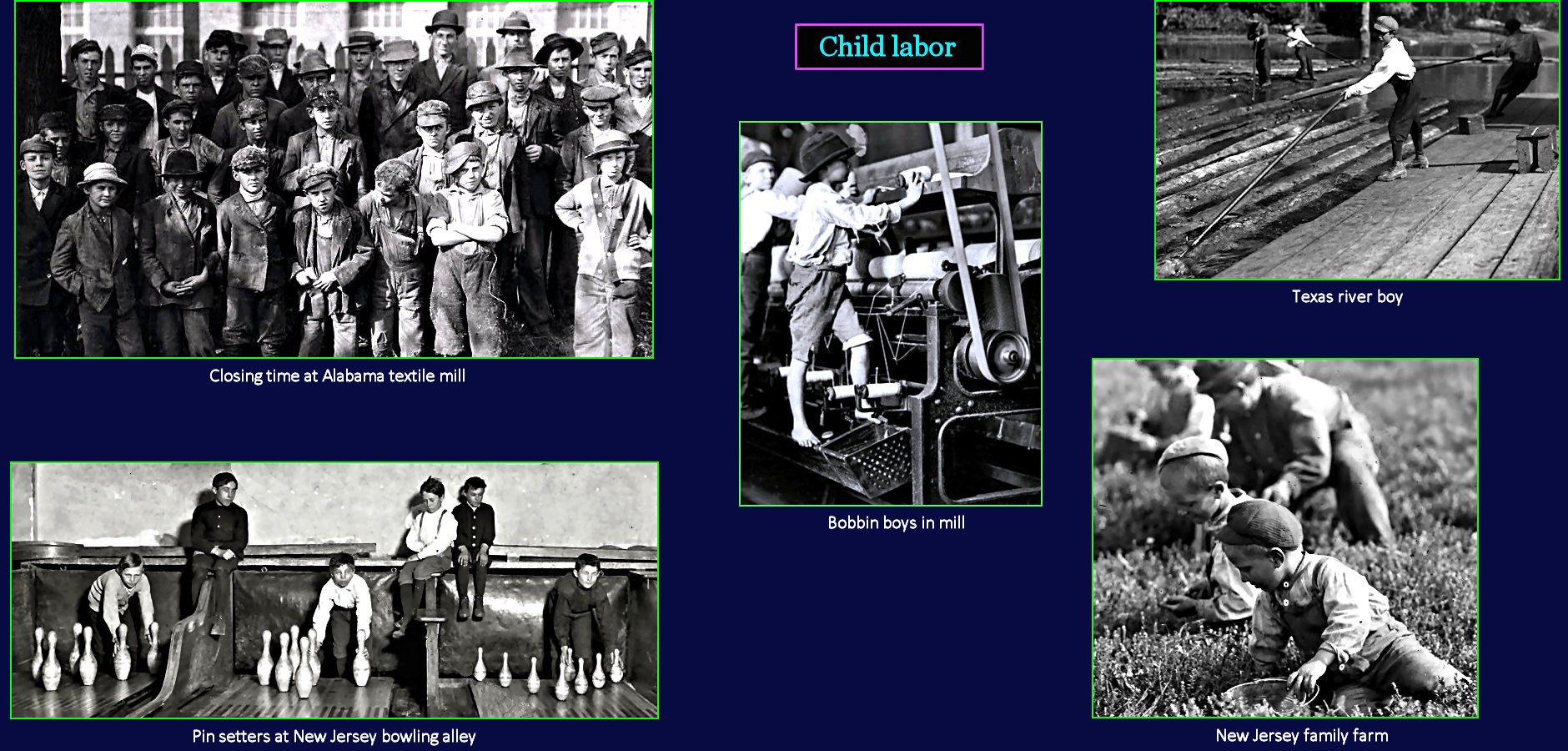
Helping out the Family Textile mills are notorious for hiring young girls to attend the spinning machines, but young boys are also being employed, almost everywhere. The issue begins to attract the interest of lawmakers, who try to deal with the worst offenders. Actually, the families themselves are often to blame, pulling their children out of school for the extra family income needed just to get by. | |||||||||
| |||||||||
Not just Communists The union movement in America grows gradually, but seldom results in gains for workers. The start of the movement may be traced to the publication of the Communist Manifesto by Karl Marx, a German living in London. It's translated into English in 1850, and argues for a reorganization of industry on principles of Socialism. This philosophy, which is later championed by Communists in Russia, reasons that the ills of industrialism are due to the concentration of power among owners of machinery, mills and factories. It argues for giving more power directly to the workers. There are 20 major strikes in America by 1910, mostly by mine and railroad workers. Almost all fail, sometimes due to intervention by the courts, or the deployment of troops. | |||||||||