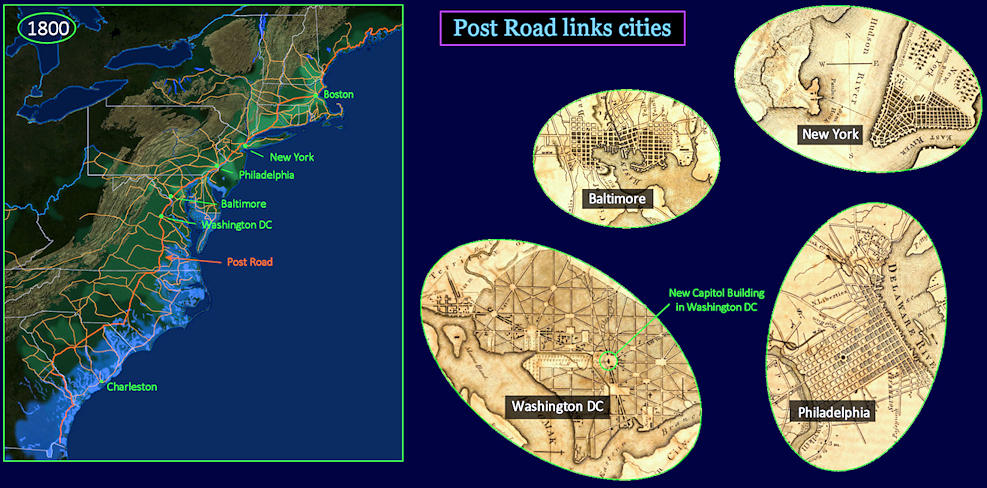
Growing CitiesBoston, New York and Philadelphia are the big commercial centers. Washington DC is under construction, soon to become the new capital, while Baltimore is suddenly becoming a major port on the upper Chesapeake. Life in the big ports is altogether different from life on the farm. There are banks, libraries, theaters, museums, hospitals, colleges, alms houses and a whole array of community services, sometimes including a water system. |
| ||||||||||||||||
| |||||||||
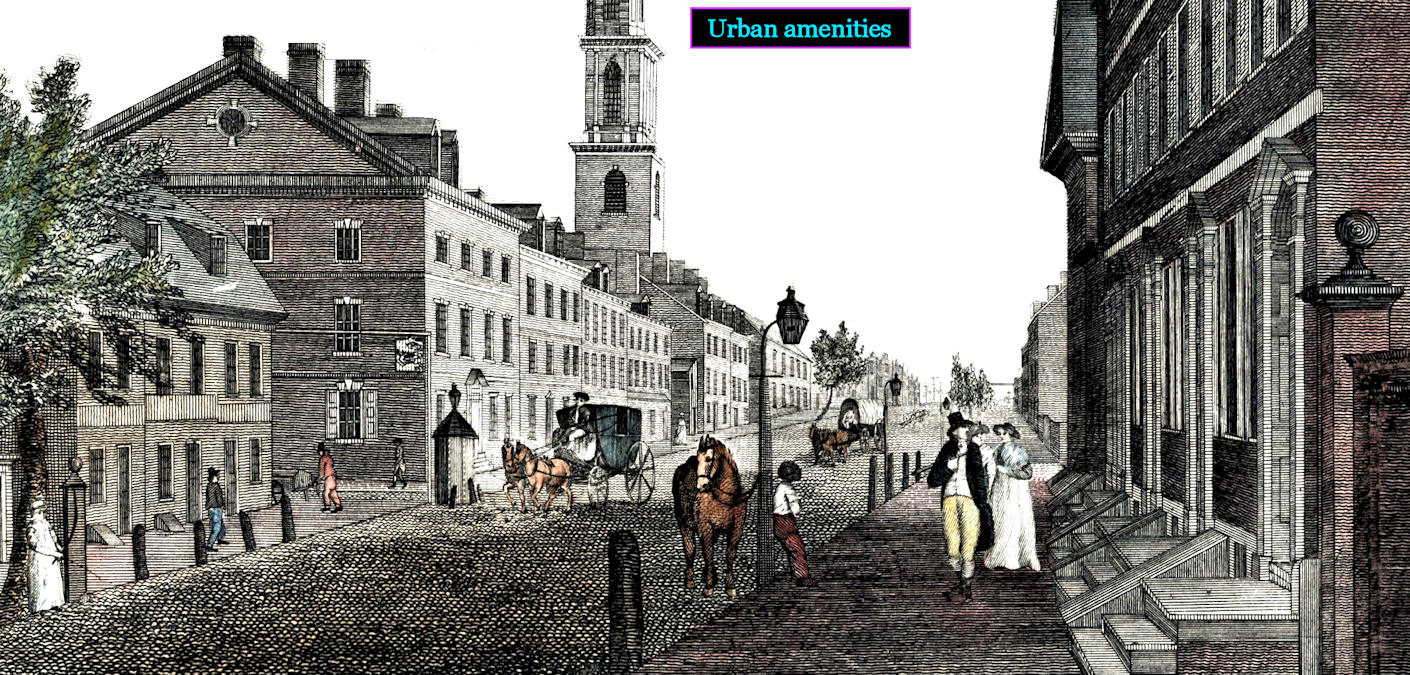
Developing Culture Philadelphia is the center of American culture in 1800, with 700 new streetlights in the downtown area. There are 20 churches, a university, a Philosophical Society and a hospital. The library, founded by Benjamin Franklin, has 12,000 books. There is a natural history museum, two theaters and three banks (including the new Bank of the United States). City water is pumped up from the river, using two of America's first steam engines. A sewer system would be nice, but has yet to be built. | |||||||||
| |||||||||
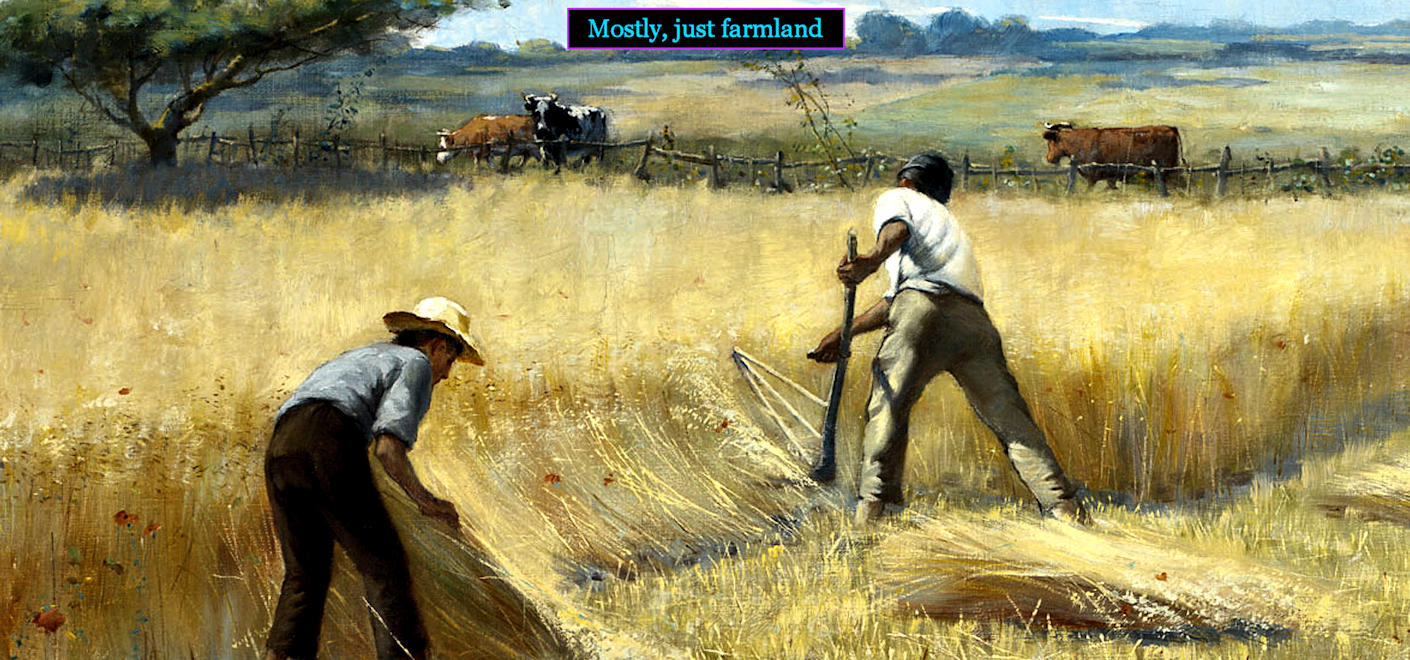
Outside the Cities America is still a solidly rural society, built on the labor of farmers and their families. The bustle of economic activity is largely confined to the handful of port cities, which few people have ever even visited. Instead, farmers spend their days bringing in the hay, milking the cows, and mending the fences. The countryside is blissfully quiet, with only the occasional clopping of horse hooves to punctuate the pervading silence. Without electricity to light up the evening, people average nine hours of sleep. | |||||||||