| |
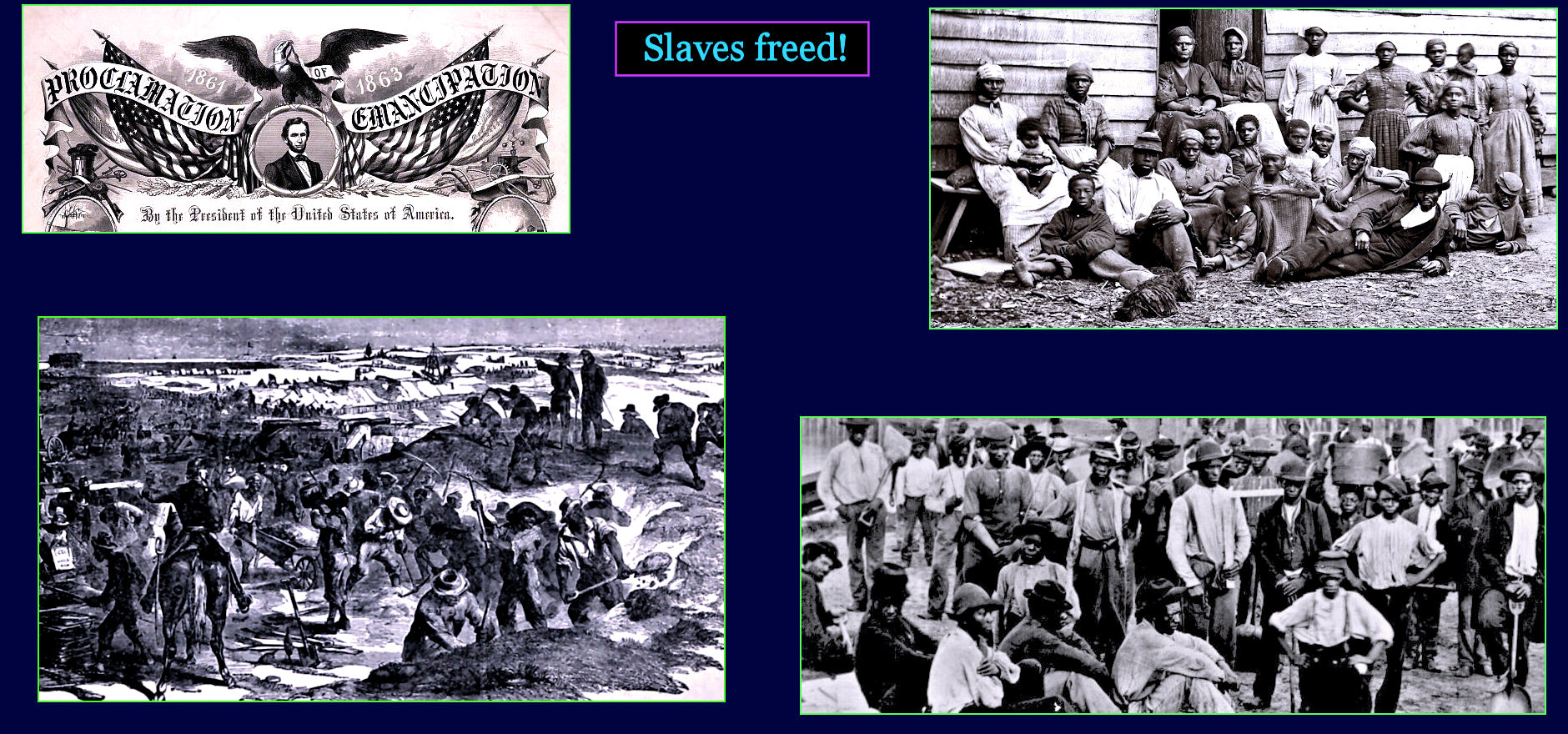
A Bold Step With the Confederacy now in rebellion, Lincoln takes the unusual step of using his power as Commander in Chief to free slaves in Confederate states, on the grounds that they support the rebellion with labor. The Emancipation Proclamation results in 3.5 million southern Blacks suddenly being freed. Another half million in non-rebelling border states, however, remain slaves. |
| |||||||||
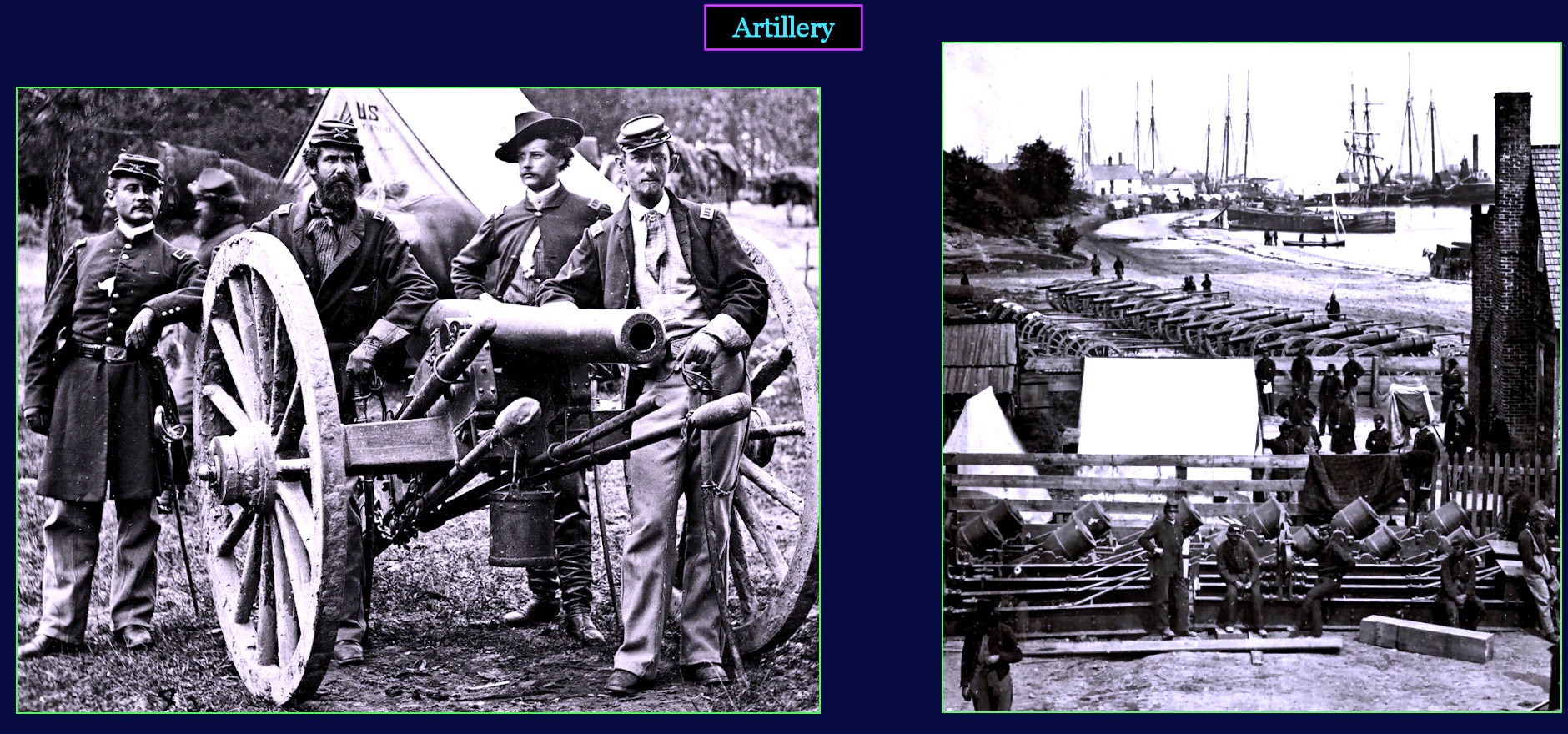
Moving the Equipment Field artillery pieces, which can be moved around the battlefield easily, are essential to waging effective war. Each cannon needs several ammunition chests, which are kept behind the battery with their own horse teams. Siege guns are somewhat heavier, and consequently less mobile. Bombardment of fortified positions calls for the use of short, fat mortars, to lob shells in a high arc over any obstructions. For its 1862 campaign, the Union brought 220 field pieces, 1150 wagons and 15,000 horses. | |||||||||
| |||||||||
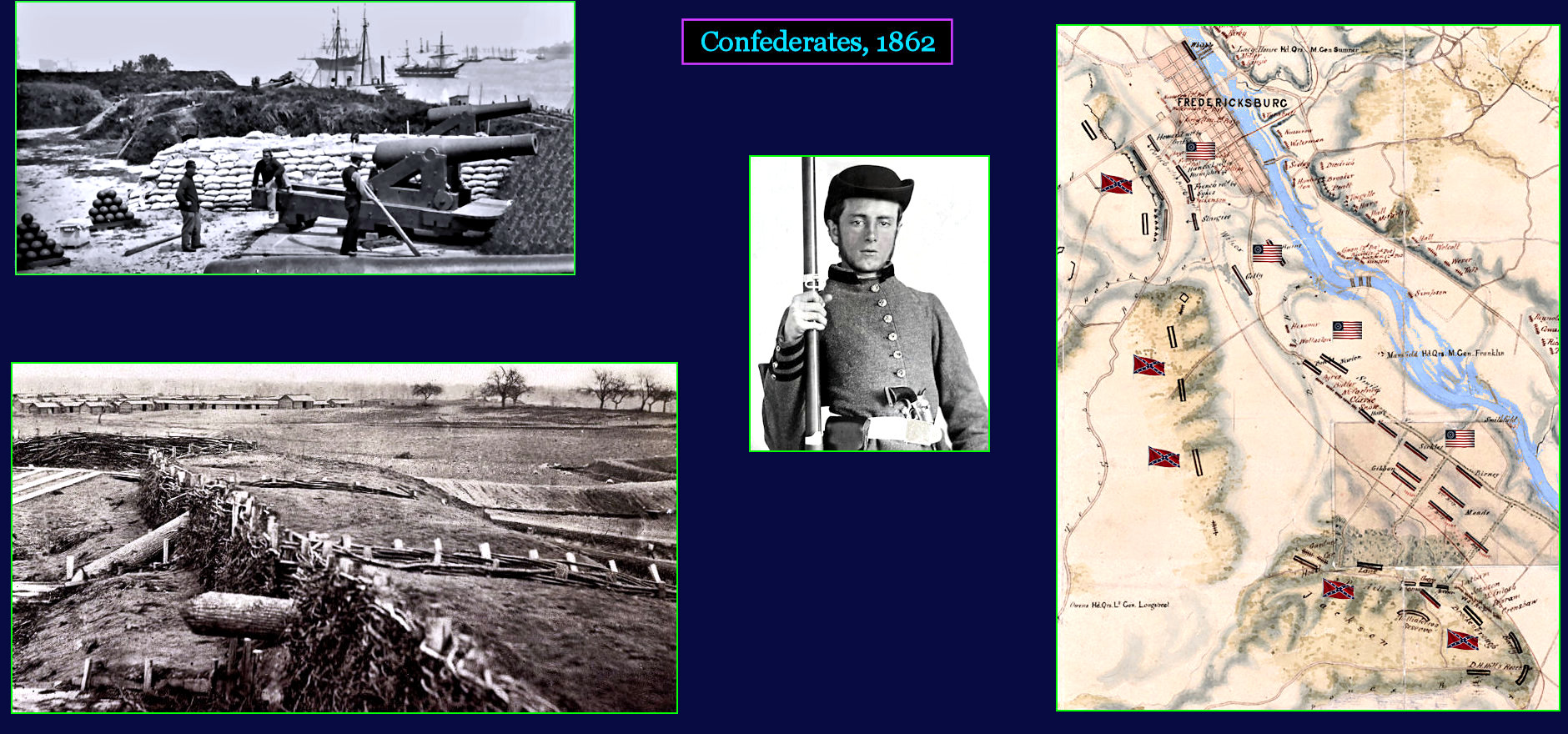
Advantage, Defense Lee and his Confederates are widely regarded as superheroes, always managing to defeat stronger opponents through cunning and daring. The Union, it is thought, only succeeds by bludgeoning the Confederacy into submission with overwhelming force. Actually, Confederates lose most of the battles, and all the campaigns, in the West. They only hold their own in Virginia, where they build extensive earthworks, often on higher ground. Dug in, they're well positioned to repel frontal assaults. | |||||||||