| |
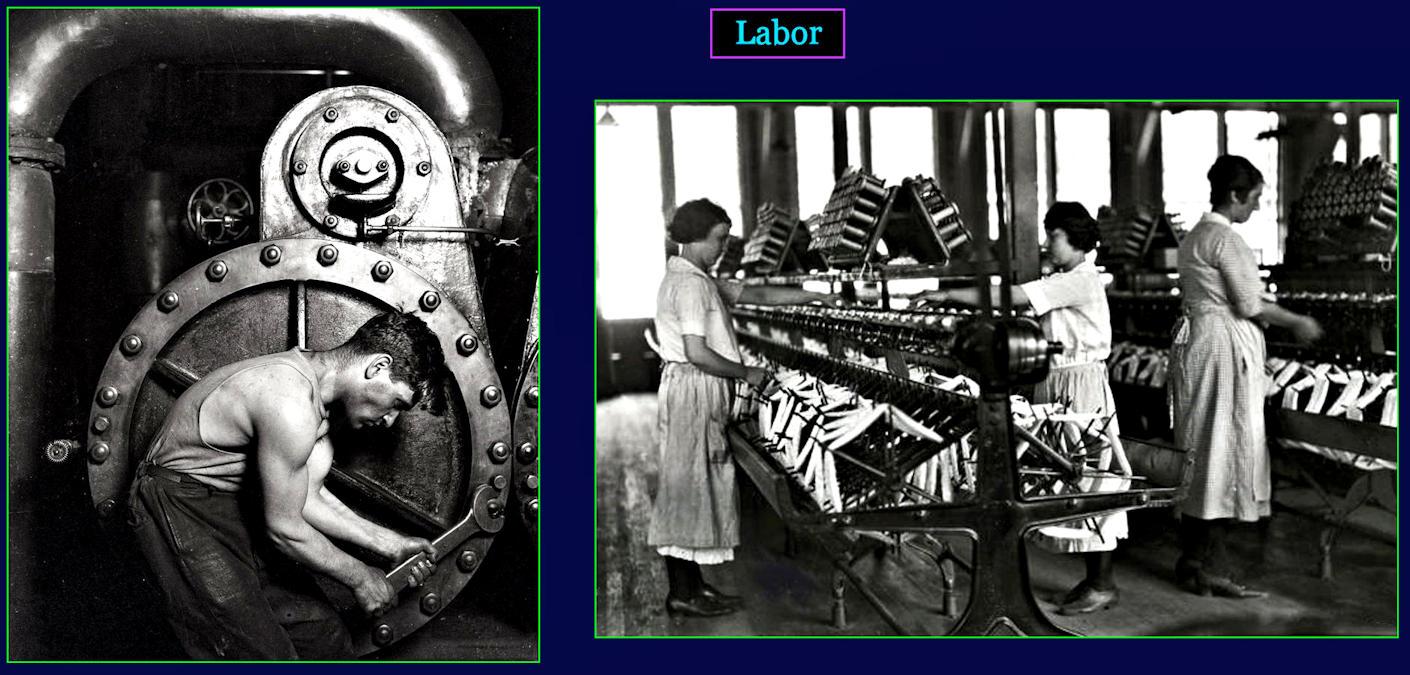
Wage Slaves Even today, American workers frequently complain of low wages. In the 1890s, the situation is made worse by the much longer working day, which frequently exceeds 10 hours. This is sometimes tolerable, as there isn't much to do at home anyway, after dark. But easily-replaced workers have no leverage with employers. The only way to fight back is to form a union. |
| |||||||||
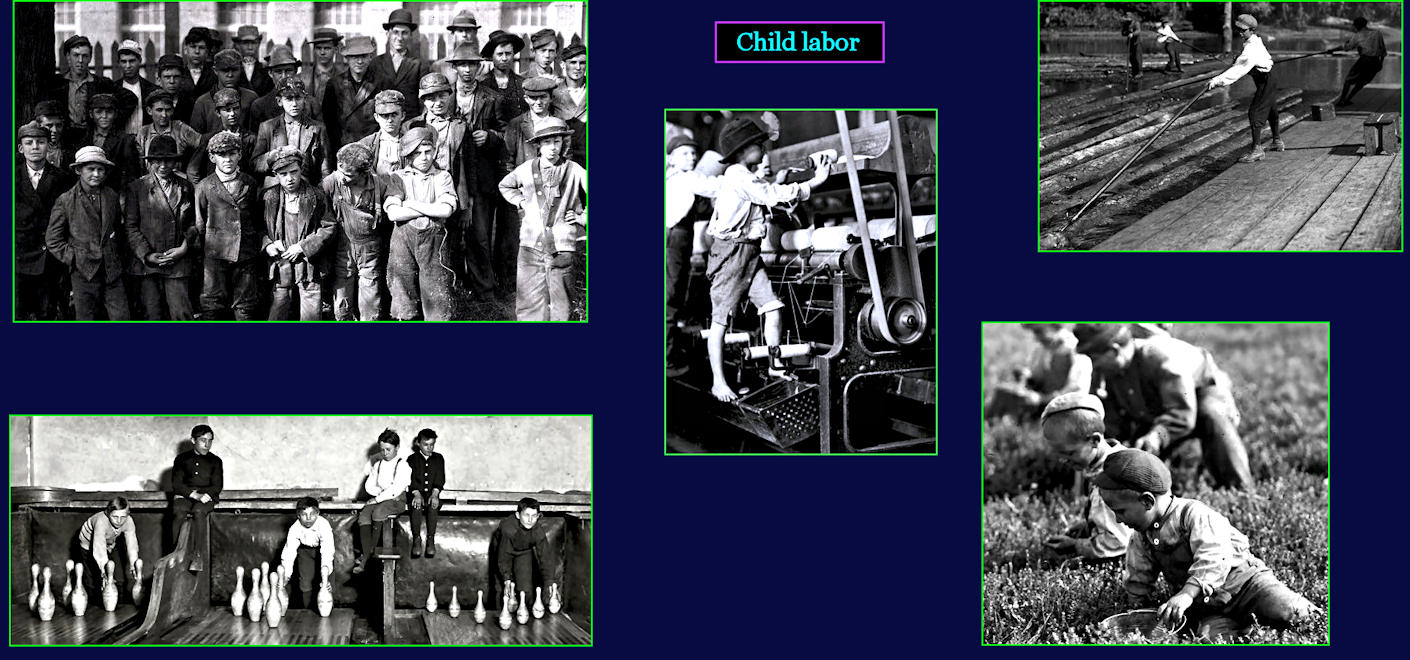
Helping out the Family Textile mills are notorious for hiring young girls to attend the spinning machines, but young boys are also being employed, almost everywhere. The issue begins to attract the interest of lawmakers, who try to deal with the worst offenders. Actually, the families themselves are often to blame, pulling their children out of school for the extra family income needed just to get by. | |||||||||
| |||||||||
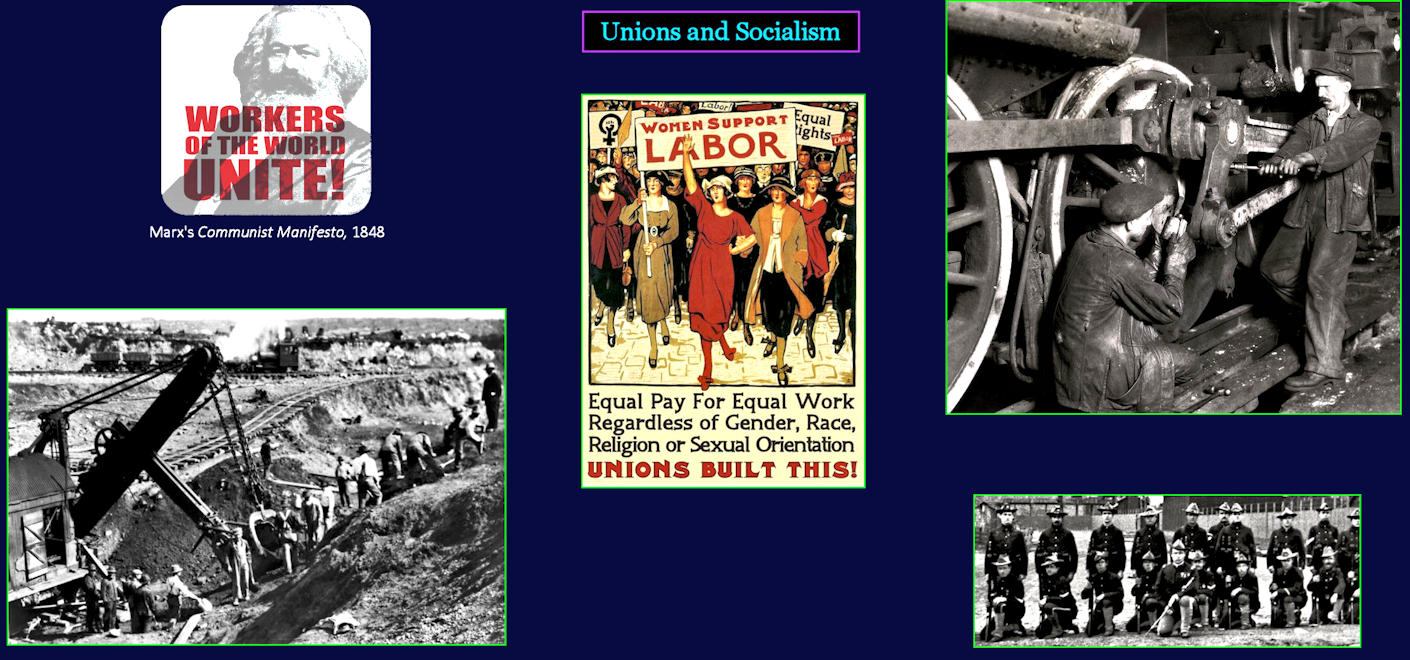
Not just Communists The start of the movement may be traced to the publication of the Communist Manifesto by Karl Marx. His thesis, which is later championed by Communists in Russia, reasons that the ills of industrialism are due to the concentration of power among owners of machinery, mills and factories. It argues for giving more power directly to the workers. There are 20 major strikes in America by 1910, but almost all fail due to intervention by the courts, or the deployment of troops. | |||||||||